mic
جلسه صوتی
The Ramadan of Spiritual Excellence
The supplications of Imam Sajjad (AS) during Ramadan are an advanced masterclass in servitude to God. To know Ramadan is to know…
notifications_active Weekly Meshkat-e Noor Session: Thursdays at 20:30 at Haj Reza Mosque
بازخوانی خردورزانه مبانی معرفتی، حکمت، کلام و معارف شیعی با تکیه بر سنت عقلانی و پاسخگویی به پرسشها و شبهات نوپدید فکری در پرتو آثار و مباحث استاد علی ساعی (عبدالله مشکات).
شما میتوانید با پیگیری این دستهبندی، از انتشار آخرین جلسات صوتی و پاسخهای جدید در حوزه {topic} مطلع شوید.
mic
جلسه صوتی
The supplications of Imam Sajjad (AS) during Ramadan are an advanced masterclass in servitude to God. To know Ramadan is to know…
videocam
Video lecture
The forty-fourth supplication of al-Sahifa al-Sajjadiyya offers a complete guide to worshipping and serving God, and reveals the secret of befriending the…
mic
جلسه صوتی
The moon is an obedient, diligent creation. Through its rising and setting, and through its changing phases, it reveals signs of God’s…
videocam
Video lecture
At a ceremony welcoming the month of Ramadan, speakers stressed that the month transforms coal into diamond and a believer into a…
menu_book
Research Article
The month of Ramadan is a golden opportunity to reach the Garden of Divine Pleasure. The journey comprises forty practical stages, including…
videocam
Video lecture
At a session on the interpretation of the twentieth supplication of al-Sahifa al-Sajjadiyya, the discussion turned to the humility the wealthy should…
mic
جلسه صوتی
Ethics is worship, and worship is ethics. Prayer, fasting, and remembrance must become part of one’s character for a person to attain…
mic
جلسه صوتی
Supplication 8 of al-Sahifa al-Sajjadiyya offers a remedy for the hidden ailments of the human soul and a means of self-knowledge and…
videocam
Video lecture
In his commentary on the eighth prayer of al-Ṣaḥīfa al-Sajjādiyya, Master Ali Saei explains what it means to seek refuge in God…
mic
جلسه صوتی
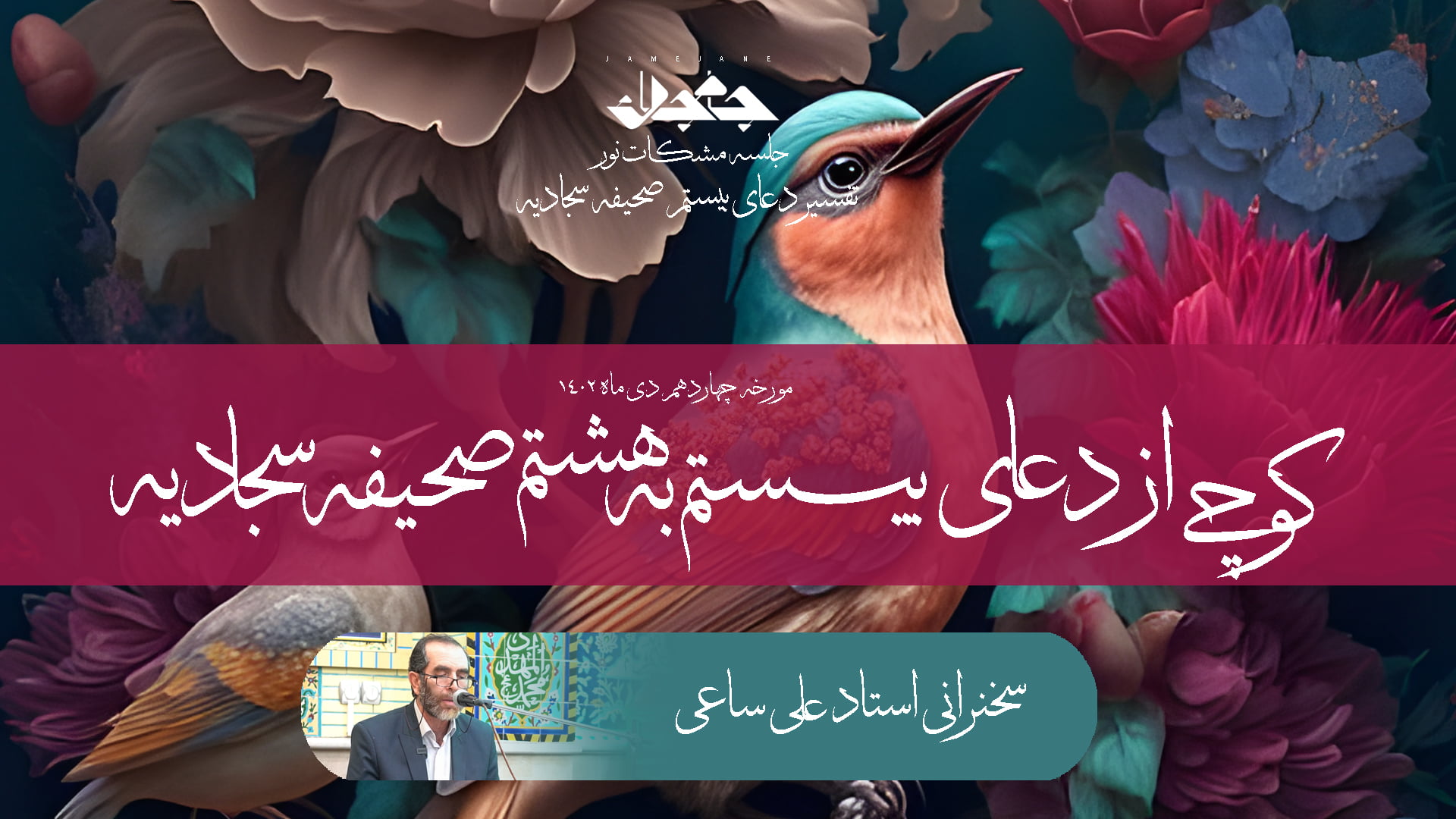
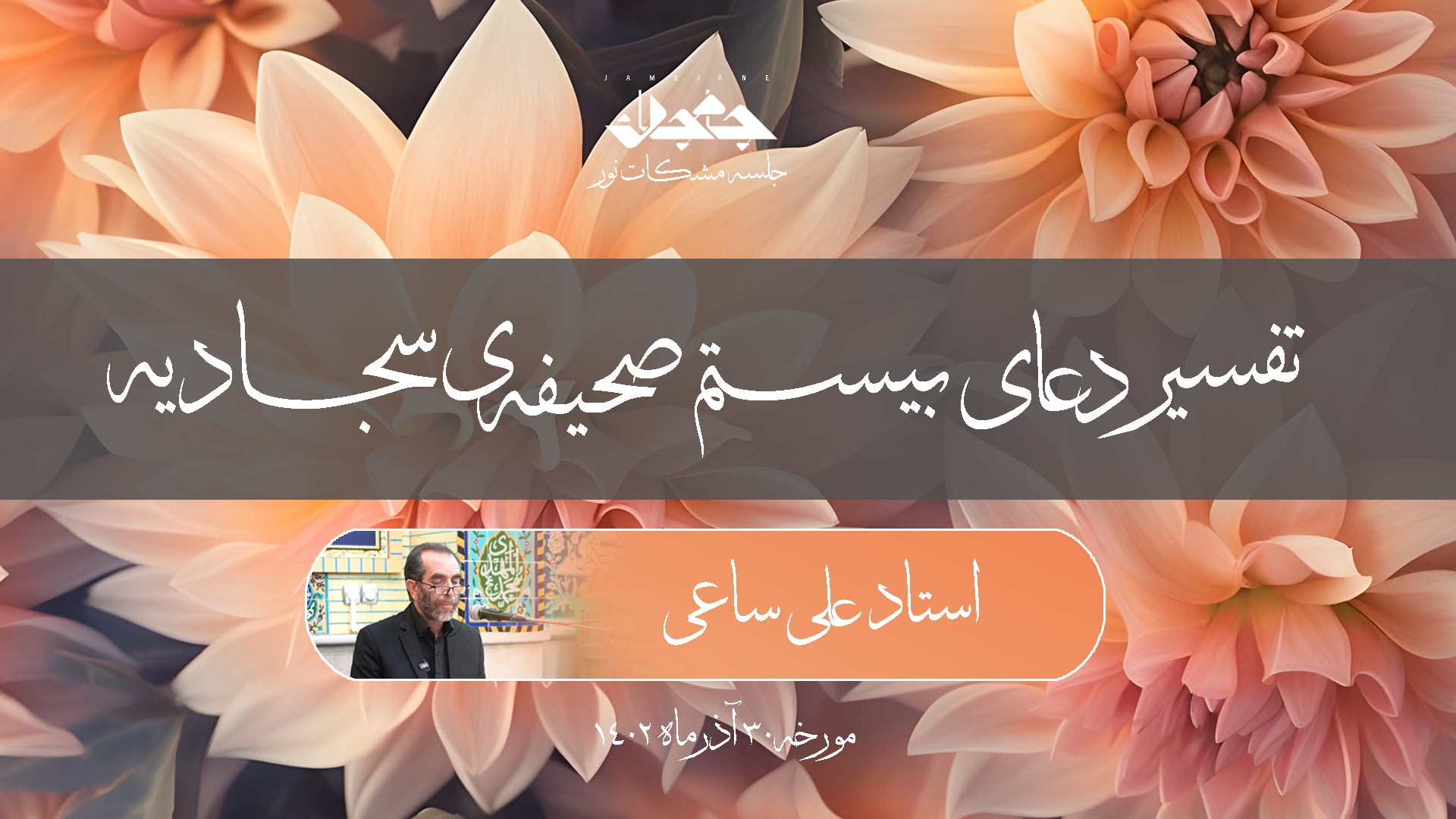
The twentieth supplication of al-Sahifa al-Sajjadiyya nourishes and illuminates the mind, and maps out the path of servitude to God. Understanding prayer…
videocam
Video lecture
This session’s commentary on Supplication 20 of al-Ṣaḥīfa al-Sajjādiyya explored themes including becoming beloved of God through the intellect, connecting with the…
videocam
Video lecture
A session on Supplication 20 of al-Ṣaḥīfa al-Sajjādiyya explored such themes as the perfection of faith, the place of certitude, the cultivation…
Duʿāʾ al-Ṣaḥīfa, cited in *Balad al-Amīn* and *Miṣbāḥ al-Kafʿamī*, begins with a great glorification of God: «سبحان الله العظیم و بحمده». The supplication speaks of God’s attributes of beauty and majesty, recalling His greatness, power, knowledge, mercy, and other Most Beautiful Names.
mic
جلسه صوتی
The twentieth supplication of al-Sahifa al-Sajjadiyya is a garden of noble virtues and a constitution for the companions of Imam al-Mahdi (AJ).…
mic
جلسه صوتی
The Sahifa Sajjadiyya is a gift from Imam Sajjad (AS), a vast ocean of divine knowledge that helps us understand ourselves and…
videocam
Video lecture
The twentieth supplication of al-Ṣaḥīfa al-Sajjādiyya was presented as a mirror that reveals the virtues and flaws within us, and as a…
mic
جلسه صوتی
Envy, worldly desires, and suspicion are obstacles to attaining perfection and a life in the heavenly realm. In his intimate supplication, Imam…
For discerning truth from falsehood, Supplications 6, 8, 17, and 20 of al-Ṣaḥīfa al-Sajjādiyya, the Ziyārat of ʿĀshūrāʾ, and the Supplication of the Drowning Person are recommended. The key to distinguishing truth from falsehood is to know the true Imam: whoever knows the true Imam can discern truth from falsehood in the light of his guidance.
Sending blessings is a unique and incomparable form of divine mercy. God’s blessings are mercy, the angels’ blessings are purification, and the believers’ blessings are supplication. Sending blessings also renews the covenant made on the Day of Alast and fulfils the pledge, “Am I not your Lord?” It is a means of deliverance from sin.
Our good and bad deeds become manifest by God’s permission and decree. Through divine grace, we are enabled to perform righteous deeds, so whatever is beautiful in us is a sign of God’s encompassing grace and generosity. On the other hand, God’s concealment of faults and forgiveness keep our shortcomings from being exposed. If they do come to light, then, in keeping with divine justice, we receive the consequence of our own actions.