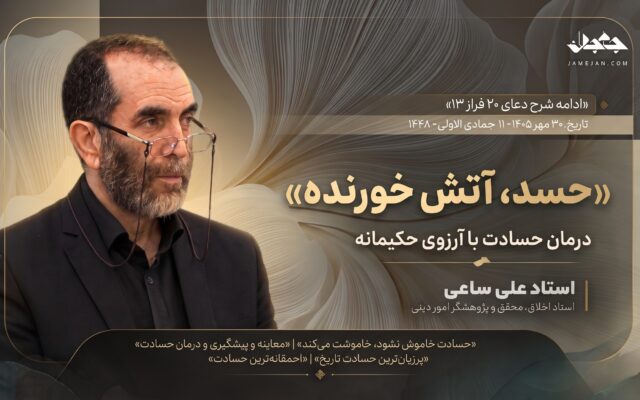
Written transcript of the lecture
The Meshkat-e Noor teachings series🌼🔆🌼The Furnace of Innate Nature🌼🔆🌼
🌹🔅☘️ بِسْمِ اللَّهِ الرَّحْمنِ الرَّحيمِ ☘️🔅🌹
🔅🌹 “The Secret of Wilayah: رضا” “Remembrance of God: The Secret of Wilayah” “The Sublime Mysteries of Gnosis” “Tawhid Is the Beginning of Servitude” “The Night of Imam رضا’s Martyrdom” and … Abstract with Supplement 1403.06.13 Ali Saei (Abdullah Meshkat) 110.141(903) 🌹🔅
🔅🌼 An Overview and Map of the Discussion: The System of Joy and Delight🌼🔅
🌼 Imam رضا علیه السلام adorns the believers and is the master of joy and delight. Paradise has no taste or sweetness without رضا; without him, all existence would know no happiness.
🌼 What does it mean to know the truth of رضا? It means knowing that رضا is an Imam whose obedience is obligatory.
🌼 In creation, رضا is رضی; God Himself named him Ali.
🌼 On the Day of Resurrection, the proof of a true Shiite is His Eminence رضا. Who can attain the rank of being a Shiite of Imam رضا? Who is a Shiite? One who remains constantly with his Imam.
🌼 Imam رضا علیه السلام said: “Whoever belongs to us (even if they are among our close relatives) but does not obey God is not one of us.”
🌼 The first rule of wilayah is obedience to the Exalted Lord. Whoever loves رضا must obey God.
🌼 Kinship with the Ahl al-Bayt علیهم السلام takes meaning only through obedience to God.
🌼 Imam رضا علیهالسلام says: “Our Shiites submit to our commands.”
🌼 Anyone who has not read even one line of the Imam’s instructions yet considers himself the Imam’s servant is asleep in a vain fantasy.
🌼 The sayings of رضا and the Imam’s sermons on tawhid are like his garden. Whoever has not walked in that garden and breathed in its fragrance is not a Shiite of رضا.
🌼 His Eminence says: “Our Shiites are those who oppose our enemies. Anyone who lacks this quality is not a Shiite.” Let us understand the bounds and meaning of being a Shiite.
🌼 Imam رضا علیهالسلام quotes the Gospel as saying: “Blessed is the servant through whom God is remembered; woe to the servant through whom God is forgotten.”
🌼 Whoever worships God with reason will turn away from the people of this world and those who seek it, and will seek what is with God.
🌼 When a believer detaches himself from this world, he rises and tastes the sweetness of God’s love. But how do worldly people see such a believer? They think he has lost his mind (when in truth, he has come to know the love of God and separated himself from the people of this world).
🌼 Wealth and children, too, may become a means of forgetting God; yet they can themselves become a source of remembering Him.
🌼 To lack gnosis is sheer irreligion (those who merely put on a religious show are irreligious).
🌼 Initial gnosis is bestowed and borrowed.
🌼 A deeper gnosis comes through sincere, arduous, and pure seeking.
🌼 The greatest means to God—knowledge of God—must always remain connected to the spirit and soul. Imam حسین said: “O people, O servants of God, God created His servants for no other purpose than that they should know Him and, through this knowledge, worship Him, so that they may be freed from worshipping anything besides God.”
🌼 That is, whoever is not a servant has become captive to all of God’s servants.
🌼 To be connected to the Imam is to be connected to a being wholly and completely connected to God. The Imam is connected to God without a veil, because he himself is the veil!
🌼 The Imam is a purely epistemic system. The Imam is the fully realized, hundred-percent innate nature. Knowledge through the Imam means connecting to a system that enables a complete restart.
🌼 The more familiar we are with our senses, the more we can benefit from them. If we did not know our sight, we would be blind.
If I had complete knowledge of my eyes, I would see the whole universe, from beginning to end.
🌼 The magnificent structure of knowledge of God has twelve keys. Until we reach these twelve keys, we have not attained the worship of God.
🌼 God’s Proof is the nerve centre of the chain of knowledge of God.
🌼 The ritual bath before a pilgrimage visit is a way of purifying oneself in order to connect with the pure.
🌼 Whoever lives in piety will be quenched, and their intellect will be elevated. They will meet people only with their body, while their intellect and heart remain elsewhere, mindful of God.
🌼 Those subject to the prescribed penalties—people who have incurred a penalty by committing a sin—are Muslims, but not believers, and they are not unbelievers either. God Most High will never consign a believer to the Fire, while an unbeliever will never be removed from it, for God has promised that person the Fire.
🌼 God will never forgive those who go to extremes.
🌼 Those who sin while affirming God’s oneness will not remain in the Fire forever. This statement shows that affirming God’s oneness is not the end of the journey but its beginning—the beginning of servitude. We imagine that it is the final station of servitude. The Imams’ intercession will be for those who affirm God’s oneness alone.
🌼 Knowledge is the beginning and starting point of servitude to God; it is both worship and the means to worship. Worship without knowledge is silent and lifeless. Knowledge is a gift; all one need do is ask for it.
🌼 Knowledge is an act among God’s acts. He brings this act to life within our souls, and our worship takes on a divine hue.
🌼 Human beings are always on the track of knowledge of God; all they need to do is keep themselves on it.
🌼 There are three kinds of knowledge: اللهم عرفنی نفسک (knowledge through interpretation), اللهم عرفنی نبیک (knowledge through exposition), and اللهم عرفنی حجتک (knowledge through structure).
🔅🌼 The craft of Imam Reza عليه السلام🌼🔅
🌹A craft called Reza, through which God, the Creator, makes the world flourish.
🌹Reza’s grace and majesty—this great craft of God has reached earth and heaven, though people have partaken of the Imam in different measure.
🌹Imam Reza عليه السلام is the Proof for earth and heaven: those on earth and in heaven must therefore draw upon him. How much they benefit depends on their insight and capacity.
🌹In the end, through Reza we must reach رضا.
🌹The gates of knowledge are classrooms for drawing near to God.
🔅🌼 Imam Reza عليه السلام as described by Imam Sadiq عليه السلام🌼🔅
🌷🔆 قَالَ أَبُو عَبْدِ اللَّهِ ع يُقْتَلُ حَفَدَتِي بِأَرْضِ خُرَاسَانَ فِي مَدِينَةٍ يُقَالُ لَهَا طُوسُ مَنْ زَارَهُ إِلَيْهَا عَارِفاً بِحَقِّهِ أَخَذْتُهُ بِيَدِي يَوْمَ الْقِيَامَةِ وَ أَدْخَلْتُهُ الْجَنَّةَ وَ إِنْ كَانَ مِنْ أَهْلِ الْكَبَائِرِ قَالَ قُلْتُ جُعِلْتُ فِدَاكَ وَ مَا عِرْفَانُ حَقِّهِ قَالَ يَعْلَمُ أَنَّهُ إِمَامٌ مُفْتَرَضُ الطَّاعَةِ غَرِيبٌ شَهِيدٌ مَنْ زَارَهُ عَارِفاً بِحَقِّهِ أَعْطَاهُ اللَّهُ عَزَّ وَ جَلَّ أَجْرَ سَبْعِينَ شَهِيداً مِمَّنِ اسْتُشْهِدَ بَيْنَ يَدَيْ رَسُولِ اللَّهِ ص عَلَى حَقِيقَة[1]
🔆Hamza ibn Humran narrated that Imam Sadiq عليه السّلام said: “One of my descendants will be killed in the land of Khurasan, in a city called Tus. Whoever visits him, knowing his rightful status, I will take by the hand on the Day of Resurrection and admit him to Paradise, even if he is among the gravest sinners.” The narrator said: “May I be your ransom, what does it mean to know his rightful status?” He replied: “It means knowing that he is an Imam whose obedience is obligatory, and that he is a stranger and a martyr. Whoever visits him, knowing his rightful status, will be granted by God, Mighty and Majestic, the reward of seventy martyrs who were truly martyred while defending the Messenger of God صلّى اللَّه عليه و آله.”
🔅🌼 رَضِيّاً فِي عِلْمِهِ وَ حُكْمِهِ 🌼🔅
🌷🔆 وَ إِنَّ اللَّهَ رَكَّبَ فِي صُلْبِهِ نُطْفَةً طَيِّبَةً زَكِيَّةً مَرْضِيَّةً وَ سَمَّاهَا عِنْدَهُ عَلِيّاً وَ كَانَ اللَّهُ عَزَّ وَ جَلَّ فِي خَلْقِهِ رَضِيّاً فِي عِلْمِهِ وَ حُكْمِهِ وَ جَعَلَهُ حُجَّةً لِشِيعَتِهِ يَحْتَجُّونَ بِهِ يَوْمَ الْقِيَامَةِ وَ لَهُ دُعَاءٌ يَدْعُو بِهِ اللَّهُمَّ أَعْطِنِي الْهُدَى وَ ثَبِّتْنِي عَلَيْهِ وَ احْشُرْنِي عَلَيْهِ آمِناً أَمْنَ مَنْ لَا خَوْفَ عَلَيْهِ وَ لَا حُزْنَ وَ لَا جَزَعَ إِنَّكَ أَهْلُ التَّقْوى وَ أَهْلُ الْمَغْفِرَة[2]
🔅🌼Contentment is the elixir of happiness 🌼🔅
🌹Imam Reza, peace be upon him, is the Imam of joy and delight, the very taste of every happiness. Without Reza, even Paradise would hold no pleasure or joy. Reza is the key to happiness.
🌷🔆وَ مَنْ أَحَبَّ أَنْ يَلْقَى اللَّهَ عَزَّ وَ جَلَّ، ضَاحِكاً مُسْتَبْشِراً، فَلْيَتَوَلَّ عَلِيَّ بْنَ مُوسَى الرِّضَا.[3]
🔅🌼Whoever is with Reza is in harmony with God’s will 🌼🔅
🌷🔆مَنْ كَانَ مِنَّا لَمْ يُطِعِ اللَّهَ فَلَيْسَ مِنّا[4]
🔆Imam Reza, peace be upon him: “…Anyone—even if descended from us—who does not obey God is not one of us.”
🌹The foundation of love for and loyalty to God’s proofs is obedience to Allah.
🌹Kinship and love can be defined only through obedience to Allah.
🌹Imam Reza, peace be upon him, smiles only upon God’s true servants; he is no friend to unbelievers or religious extremists.
🌹Reza’s Shi‘a obey the commands of the divine proofs and heed their words. They drink from the teachings of the Prophet’s family and swim in the ocean of their knowledge. They oppose and shun the enemies of the Prophet’s family; foremost among those enemies are polytheists and sinners.
🌹Let us uphold the bounds and frontiers of loyalty.
🔅🌼A Shi‘a obeys the one who leads him 🌼🔅
🌷🔆 عَنْ أَبِي الْحَسَنِ الرِّضَا ع قَالَ: شِيعَتُنَا الْمُسَلِّمُونَ لِأَمْرِنَا الْآخِذُونَ بِقَوْلِنَا الْمُخَالِفُونَ لِأَعْدَائِنَا فَمَنْ لَمْ يَكُنْ كَذَلِكَ فَلَيْسَ مِنَّا.[5]
🔆Imam Reza, peace be upon him, said: “Our Shi‘a are those who submit to our commands and prohibitions, heed our words, and oppose our enemies. Whoever is not thus is not one of us.”
🔅🌼Spread God’s love throughout the world 🌼🔅
🌷🔆مِنَ الْإِنْجِيلِ طُوبَى لِعَبْدٍ ذُكِرَ اللَّهُ مِنْ أَجْلِهِ وَ وَيْلٌ لِعَبْدٍ نُسِيَ اللَّهُ مِنْ أَجْلِه[6]
🔆Imam Reza, peace be upon him, quoted from the Gospel: “Blessed is the servant through whom God is remembered; woe to the servant through whom God is forgotten.”
🌹Whoever is intoxicated outwardly and inwardly becomes heedless of God and drives His remembrance away. The same is true of anyone who becomes entangled in the world’s gambling in any form: cut off from the remembrance of God, they forget Him.
🌻🔆Al-Ma’idah: 91 إِنَّما يُريدُ الشَّيْطانُ أَنْ يُوقِعَ بَيْنَكُمُ الْعَداوَةَ وَ الْبَغْضاءَ فِي الْخَمْرِ وَ الْمَيْسِرِ وَ يَصُدَّكُمْ عَنْ ذِكْرِ اللَّهِ وَ عَنِ الصَّلاةِ فَهَلْ أَنْتُمْ مُنْتَهُونَ
🔆Satan seeks, through wine and gambling, to stir up enmity and hatred among you and to turn you away from the remembrance of God and from prayer. Will you not, then, abstain?
🔅🌼Reason is the lamp that keeps God in mind 🌼🔅
🌷🔆فَمَنْ عَقَلَ عَنِ اللَّهِ اعْتَزَلَ أَهْلَ الدُّنْيَا وَ الرَّاغِبِينَ فِيهَا وَ رَغِبَ فِيمَا عِنْدَ اللَّه[7]
يَا هِشَامُ الصَّبْرُ عَلَى الْوَحْدَةِ عَلَامَةُ قُوَّةِ الْعَقْلِ فَمَنْ عَقَلَ عَنِ اللَّهِ اعْتَزَلَ أَهْلَ الدُّنْيَا وَ الرَّاغِبِينَ فِيهَا وَ رَغِبَ فِيمَا عِنْدَ اللَّهِ وَ كَانَ اللَّهُ أُنْسَهُ فِي الْوَحْشَةِ وَ صَاحِبَهُ فِي الْوَحْدَةِ وَ غِنَاهُ فِي الْعَيْلَةِ وَ مُعِزَّهُ مِنْ غَيْرِ عَشِيرَةٍ يَا هِشَامُ نَصْبُ الْحَقِّ لِطَاعَةِ اللَّهِ وَ لَا نَجَاةَ إِلَّا بِالطَّاعَةِ وَ الطَّاعَةُ بِالْعِلْمِ وَ الْعِلْمُ بِالتَّعَلُّمِ وَ التَّعَلُّمُ بِالْعَقْلِ يُعْتَقَدُ وَ لَا عِلْمَ إِلَّا مِنْ عَالِمٍ رَبَّانِيٍّ وَ مَعْرِفَةُ الْعِلْمِ بِالْعَقْل
🔆Imam al-Kazim (peace be upon him): O Hisham! The ability to bear solitude is a sign of sound intellect. Whoever attains understanding through God will turn away from the people of this world and those who seek it, and turn towards what is with God. God will be his companion in fear and his companion in solitude, and will suffice him in his need, granting him honour and strength even without clan or tribe.
🔅🌼Renouncing the world goes hand in hand with love of God🌼🔅
🌷🔆قَالَ وَ سَمِعْتُ أَبَا عَبْدِ اللَّهِ ع يَقُولُ إِذَا تَخَلَّى الْمُؤْمِنُ مِنَ الدُّنْيَا سَمَا وَ وَجَدَ حَلَاوَةَ حُبِّ اللَّهِ وَ كَانَ عِنْدَ أَهْلِ الدُّنْيَا كَأَنَّهُ قَدْ خُولِطَ وَ إِنَّمَا خَالَطَ الْقَوْمَ حَلَاوَةُ حُبِّ اللَّهِ فَلَمْ يَشْتَغِلُوا بِغَيْرِهِ.
🔆Imam al-Sadiq (peace be upon him): When a believer withdraws from the world, he rises in rank and tastes the sweetness of God’s love. To those who seek the world, he seems like a madman, though the sweetness of God’s love has permeated them too; that is why they have devoted their hearts to none but Him.
🌷🔆 قَالَ وَ سَمِعْتُهُ يَقُولُ إِنَّ الْقَلْبَ إِذَا صَفَا ضَاقَتْ بِهِ الْأَرْضُ حَتَّى يَسْمُو[8]
🔆He also said: The Imam said, “When the heart has been emptied and made pure, the earth seems too small for it, until at last it takes flight.”
🔅🌼Extinguish love of the world🌼🔅
🌹Whoever extinguishes love of the world will kindle the remembrance of God, and that love will shine forth.
🌷🔆 قَالَ أَبُو عَبْدِ اللَّهِ ع كَتَبَ أَمِيرُ الْمُؤْمِنِينَ ع إِلَى بَعْضِ أَصْحَابِهِ يَعِظُهُ أُوصِيكَ وَ نَفْسِي بِتَقْوَى مَنْ لَا تَحِلُّ مَعْصِيَتُهُ وَ لَا يُرْجَى غَيْرُهُ وَ لَا الْغِنَى إِلَّا بِهِ فَإِنَّ مَنِ اتَّقَى اللَّهَ جَلَّ وَ عَزَّ وَ قَوِيَ وَ شَبِعَ وَ رَوِيَ وَ رُفِعَ عَقْلُهُ عَنْ أَهْلِ الدُّنْيَا فَبَدَنُهُ مَعَ أَهْلِ الدُّنْيَا وَ قَلْبُهُ وَ عَقْلُهُ مُعَايِنُ الْآخِرَةِ فَأَطْفَأَ بِضَوْءِ قَلْبِهِ مَا أَبْصَرَتْ عَيْنَاهُ مِنْ حُبِّ الدُّنْيَا …[9]
🔆Imam Ali (peace be upon him), in a letter to one of his companions, wrote: I urge you, and myself, to be mindful of the One whom you may not rightfully disobey, in whom alone you may place your hope, and from whom alone comes freedom from need. For whoever is mindful of God will become honoured and strong, and will be nourished and refreshed. His understanding will rise above that of the people of this world, even as his body remains among them; his heart and intellect will behold the Hereafter. And with the light of his heart, he will extinguish the love and attachment to the world that his eyes behold.
🔅🌼The Imam of divine oneness urges us to uphold divine oneness🌼🔅
🌹Intercession belongs to those who affirm divine oneness; let us safeguard that oneness.
🌹Divine oneness is not an end, but the foundation and beginning of every blessed new beginning.
🔅🌼Those who affirm divine oneness will be radiant-faced🌼🔅
🌷🔆Imam al-Rida (peace be upon him): … وَ أَصْحَابُ الْحُدُودِ مُسْلِمُونَ لَا مُؤْمِنُونَ وَ لَا كَافِرُونَ وَ اللَّهُ تَعَالَى لَا يُدْخِلُ النَّارَ مُؤْمِناً وَ قَدْ وَعَدَهُ الْجَنَّةَ وَ لَا يُخْرِجُ مِنَ النَّارِ كَافِراً وَ قَدْ أَوْعَدَهُ النَّارَ وَ الْخُلُودَ فِيهَا وَ لا يَغْفِرُ أَنْ يُشْرَكَ بِهِ وَ يَغْفِرُ ما دُونَ ذلِكَ لِمَنْ يَشاء وَ مُذْنِبُو أَهْلِ التَّوْحِيدِ لَا يَخْلُدُونَ فِي النَّارِ وَ يَخْرُجُونَ مِنْهَا وَ الشَّفَاعَةُ جَائِزَةٌ لَهُمْ وَ إِنَّ الدَّارَ الْيَوْمَ دَارُ تَقِيَّةٍ وَ هِيَ دَارُ الْإِسْلَامِ لَا دَارُ كُفْرٍ وَ لَا دَارُ إِيمَانٍ وَ الْأَمْرُ بِالْمَعْرُوفِ وَ النَّهْيُ عَنِ الْمُنْكَرِ وَاجِبَانِ إِذَا أَمْكَنَ وَ لَمْ يَكُنْ خِيفَةٌ عَلَى النَّفْسِ وَ الْإِيمَانُ هُوَ أَدَاءُ الْأَمَانَةِ وَ اجْتِنَابُ جَمِيعِ الْكَبَائِر[10]
🔆Imam al-Rida (peace be upon him): … Those subject to the prescribed punishments—that is, those who are liable to incur the divinely ordained penalties—are Muslims, but they are neither among the believers nor among the unbelievers. God Most High will not admit any believer into the Fire, for He has promised that person Paradise. Nor will He bring any unbeliever out of the Fire, having warned that person of the Fire and of abiding there forever. God does not forgive associating partners with Him, but He forgives any other sin for whomever He wills. He does not consign sinful people who affirm God’s oneness to the Fire forever; they will emerge from it, and intercession on their behalf is permissible. In this present age, the abode of this world is an abode of dissimulation and of Islam: it is neither unbelief nor faith.
Enjoining what is right and forbidding what is wrong is obligatory when possible, provided there is no fear for one’s life.
Faith consists in fulfilling trusts, avoiding all grave sins, knowing God, His Messenger and the Imam in one’s heart, professing this with one’s tongue, and performing the obligatory duties with one’s limbs.
🔅🌼 Imam al-Rida’s Sermon on Divine Unity 🌼🔅
🌷🔆 أَوَّلُ عِبَادَةِ اللَّهِ تَعَالَى مَعْرِفَتُهُ وَ أَصْلُ مَعْرِفَةِ اللَّهِ تَوْحِيدُهُ وَ نِظَامُ تَوْحِيدِ اللَّهِ تَعَالَى نَفْيُ الصِّفَاتِ عَنْهُ لِشَهَادَةِ الْعُقُولِ أَنَّ كُلَّ صِفَةٍ وَ مَوْصُوفٍ مَخْلُوقٌ وَ شَهَادَةِ كُلِّ مَوْصُوفٍ أَنَّ لَهُ خَالِقاً لَيْسَ بِصِفَةٍ وَ لَا مَوْصُوفٍ وَ شَهَادَةِ كُلِّ صِفَةٍ وَ مَوْصُوفٍ بِالاقْتِرَانِ… [11]
🌷🔆🔆 The Beginning of Worship 🔆🔆🌷
🌸☘️ أَوَّلُ عِبَادَةِ اللَّهِ تَعَالَى مَعْرِفَتُهُ
🌹The beginning of worship and servitude to Allah, the Blessed and Exalted, is knowing Him.
🌹Knowledge is both worship and the means to worship. It is the heart and soul of worship and servitude.
🌹Knowledge is the light that guides worship of God. Hearing, sight and the heart are acts of worship.
🌹Worship without knowledge is empty of true worship, mere pretence; it is lifeless worship.
🌹Without knowledge, worship is impossible. Without it, none of God’s servants’ actions will bear the mark of worship.
🔅🌼 God Initiates the Knowledge of Himself 🌼🔅
🌹Since God is the initiator, it is He who begins and brings knowledge to life within our souls.
🌹Human beings are already on the path to knowing God; they need only keep themselves on it.
🌹Religion without knowledge of God is religion without religion; it is religion without worship, religion and worship without life.
🌹Lack of knowledge is lack of religion. Who can claim to be religious? Religion is a path to God, a particular means of connection.
🌹Lack of knowledge is utter blindness in serving God. Worship seems difficult because its outward form is devoid of knowledge.
🔅🌼 Dimensions of Knowledge of God 🌼🔅
🌹Only God initiates and brings about every level of knowledge.
🌹It may be that « عَرِّفْنِي نَفْسَكَ » refers to knowledge through interpretation, « عَرِّفْنِي رَسُولَكَ» to knowledge through explanation, and « عَرِّفْنِي حُجَّتَكَ» to a kind of knowledge that is structured and measured. In reality, the levels that follow interpretive knowledge may be understood as the unveiling of the effects of «معرفت الله».
🌷🔆 اللَّهُمَّ عَرِّفْنِي نَفْسَكَ فَإِنَّكَ إِنْ لَمْ تُعَرِّفْنِي نَفْسَكَ لَمْ أَعْرِفْ نَبِيَّكَ اللَّهُمَّ عَرِّفْنِي رَسُولَكَ فَإِنَّكَ إِنْ لَمْ تُعَرِّفْنِي رَسُولَكَ لَمْ أَعْرِفْ حُجَّتَكَ اللَّهُمَّ عَرِّفْنِي حُجَّتَكَ فَإِنَّكَ إِنْ لَمْ تُعَرِّفْنِي حُجَّتَكَ ضَلَلْتُ عَنْ دِينِي
🔅🌼Restart Your Innate Nature 🌼🔅
🌹One of the keys to restarting our innate nature and bringing knowledge to light is to recite the monotheistic sermons and intimate prayers of the Infallibles, peace be upon them. Even if we grasp none of their meaning, we will still feel their effect—just as we benefit from medicine even when we do not understand how it works.
🌹God’s proofs are the furnaces of our innate nature; it is there that its leaven comes alive.
🔅🌼The Third Dimension of Knowledge🌼🔅
🌹God’s proof is the third dimension of knowledge. Through it, the Creator brings the sweet fruits of knowledge to maturity on the tree of His proof.
🌹Explanatory and divinely ordained knowledge of God is directly connected to God’s proofs.
🌹Our first knowledge is raw and general; the next is mature and particular. This special, distinctive knowledge is knowledge adorned with beauty. A faith made beautiful and worship made beautiful are possible only through knowledge of the Imams!
🌹Without knowledge of the Imams, peace be upon them, even our first, still-raw knowledge is diminished.
🌷🔅 عَنْ أَبِي عَبْدِ اللَّهِ ع قَالَ خَرَجَ الْحُسَيْنُ بْنُ عَلِيٍّ ع عَلَى أَصْحَابِهِ فَقَالَ أَيُّهَا النَّاسُ إِنَّ اللَّهَ جَلَّ ذِكْرُهُ مَا خَلَقَ الْعِبَادَ إِلَّا لِيَعْرِفُوهُ فَإِذَا عَرَفُوهُ عَبَدُوهُ فَإِذَا عَبَدُوهُ اسْتَغْنَوْا بِعِبَادَتِهِ عَنْ عِبَادَةِ مَنْ سِوَاهُ فَقَالَ لَهُ رَجُلٌ يَا ابْنَ رَسُولِ اللَّهِ بِأَبِي أَنْتَ وَ أُمِّي فَمَا مَعْرِفَةُ اللَّهِ قَالَ مَعْرِفَةُ أَهْلِ كُلِّ زَمَانٍ إِمَامَهُمُ الَّذِي يَجِبُ عَلَيْهِمْ طَاعَتُه[12]
🌷🔅Imam al-Sadiq, peace be upon him: Husayn ibn Ali, peace be upon him, came to his companions and said, “O people! God Most High created His servants for no purpose other than that they might know Him. When they know Him, they worship Him; and when they worship Him, they have no need to worship anyone besides Him.” A man said to him, “O son of the Prophet, may my father and mother be sacrificed for you! What does knowing God mean?” He replied, “That the people of every age should know their Imam, whose obedience is obligatory.”
🌹Knowing the Imam means connecting with the person most closely connected to God.
🌹The Imam is the very system of pure, complete knowledge: innate nature at its fullest, active, alive, and ever-flowing.
🌹Our innate nature lies dormant, silent, feeble, frozen; it comes alive through God’s proof.
🌹Knowing the Imam means forming a genuine, loving bond with him, together with following and obeying him.
🌹How much do we engage with our senses? How well do we know them? We know our senses in proportion to how much we use and engage with them. Without that knowledge, we would not benefit from them. If we did not know sight, we would be blind—even though our understanding of sight is only rudimentary. It must grow if we are to benefit from it fully. The heart and spirit, too, are instruments of knowledge.
🌹The Imam is a fully functioning, comprehensive system of divine knowledge—like absolute sight.
🌹Knowledge is an absolute system. It is not of the same kind as sight, hearing, or taste; it is above them all and of a different order.
🔅🌼The Edifice of Knowledge of God🌼🔅
🌹The Imams are the pillars of knowledge of God.
🌹Knowledge is a system with its own particular complexities, and it has twelve keys. When we reach all twelve, knowledge reaches its perfection; when we put all twelve systems into practice, we attain absolute knowledge.
🌹In truth, the Imams are the vast cosmos of knowledge of God. Knowledge of God has its own distinctive taste, flavor, and effects.
🌹Pilgrimage is a wholehearted striving to connect with the system of knowledge of God.
🌹Knowing the Imam is the breathing of the spirit of knowledge of God into the soul.
🌹The Imams, peace be upon them, are the neural pathways through which knowledge of God is attained. Connection with the Imams is connection with a system upon which «عین الله الناظره» and «اذن الله السامعه» and … are installed.
🌹Following the Imam in knowledge and practice is essential to attaining knowledge of God’s proof.
🌹Coming under the radiance of His Eminence, receiving help through love, seeking with sincerity and devotion, purity, connection, communion and kinship are among the most important means of attaining knowledge of God’s proof.
🔅🌼 أَوَّلُ عِبَادَةِ اللَّهِ تَعَالَى مَعْرِفَتُهُ 🌼🔅
🌷🔆 عَنِ الْقَاسِمِ بْنِ أَيُّوبَ الْعَلَوِيِ أَنَّ الْمَأْمُونَ لَمَّا أَرَادَ أَنْ يَسْتَعْمِلَ الرِّضَا ع جَمَعَ بَنِي هَاشِمٍ فَقَالَ لَهُمْ إِنِّي أُرِيدُ أَنْ أَسْتَعْمِلَ الرِّضَا عَلَى هَذَا الْأَمْرِ مِنْ بَعْدِي فَحَسَدَهُ بَنُو هَاشِمٍ وَ قَالُوا أَ تُوَلِّي رَجُلًا جَاهِلًا لَيْسَ لَهُ بَصَرٌ بِتَدْبِيرِ الْخِلَافَةِ فَابْعَثْ إِلَيْهِ رَجُلًا يَأْتِنَا فَتَرَى مِنْ جَهْلِهِ مَا تَسْتَدِلُّ بِهِ عَلَيْهِ فَبَعَثَ إِلَيْهِ فَأَتَاهُ فَقَالَ لَهُ بَنُو هَاشِمٍ يَا أَبَا الْحَسَنِ اصْعَدِ الْمِنْبَرَ وَ انْصِبْ لَنَا عَلَماً نَعْبُدُ اللَّهَ عَلَيْهِ فَصَعِدَ ع الْمِنْبَرَ فَقَعَدَ مَلِيّاً لَا يَتَكَلَّمُ مُطْرِقاً ثُمَّ انْتَفَضَ انْتِفَاضَةً وَ اسْتَوَى قَائِماً وَ حَمِدَ اللَّهَ تَعَالَى وَ أَثْنَى عَلَيْهِ وَ صَلَّى عَلَى نَبِيِّهِ وَ أَهْلِ بَيْتِهِ ثُمَّ قَالَ:
أَوَّلُ عِبَادَةِ اللَّهِ تَعَالَى مَعْرِفَتُهُ وَ أَصْلُ مَعْرِفَةِ اللَّهِ تَوْحِيدُهُ وَ نِظَامُ تَوْحِيدِ اللَّهِ تَعَالَى نَفْيُ الصِّفَاتِ عَنْهُ لِشَهَادَةِ الْعُقُولِ أَنَّ كُلَّ صِفَةٍ وَ مَوْصُوفٍ مَخْلُوقٌ وَ شَهَادَةِ كُلِّ مَوْصُوفٍ أَنَّ لَهُ خَالِقاً لَيْسَ بِصِفَةٍ وَ لَا مَوْصُوفٍ وَ شَهَادَةِ كُلِّ صِفَةٍ وَ مَوْصُوفٍ بِالاقْتِرَانِ وَ شَهَادَةِ الِاقْتِرَانِ بِالْحُدُوثِ وَ شَهَادَةِ الْحُدُوثِ بِالامْتِنَاعِ مِنَ الْأَزَلِ الْمُمْتَنِعِ مِنَ الْحُدُوثِ فَلَيْسَ اللَّهَ [عَرَفَ] مَنْ عَرَفَ بِالتَّشْبِيهِ ذَاتَهُ وَ لَا إِيَّاهُ وَحَّدَهُ مَنِ اكْتَنَهَهُ وَ لَا حَقِيقَتَهُ أَصَابَ مَنْ مَثَّلَهُ وَ لَا بِهِ صَدَّقَ مَنْ نَهَّاهُ وَ لَا صَمَدَ صَمْدَهُ مَنْ أَشَارَ إِلَيْهِ وَ لَا إِيَّاهُ عَنَى مَنْ شَبَّهَهُ وَ لَا لَهُ تَذَلَّلَ مَنْ بَعَّضَهُ وَ لَا إِيَّاهُ أَرَادَ مَنْ تَوَهَّمَهُ كُلُّ مَعْرُوفٍ بِنَفْسِهِ مَصْنُوعٌ وَ كُلُّ قَائِمٍ فِي سِوَاهُ مَعْلُولٌ بِصُنْعِ اللَّهِ يُسْتَدَلُّ عَلَيْهِ وَ بِالْعُقُولِ تُعْتَقَدُ مَعْرِفَتُهُ وَ بِالْفِطْرَةِ تَثْبُتُ حُجَّتُهُ خَلَقَ اللَّهُ الْخَلْقَ حِجَاباً بَيْنَهُ وَ بَيْنَهُمْ وَ مُبَايَنَتُهُ إِيَّاهُمْ و مُفَارَقَتُهُ أَيْنِيَّتَهُمْ وَ ابْتِدَاؤُهُ إِيَّاهُمْ دَلِيلُهُمْ عَلَى أَنْ لَا ابْتِدَاءَ لَهُ لِعَجْزِ كُلِّ مُبْتَدَإٍ عَنِ ابْتِدَاءِ غَيْرِهِ وَ Tools [أَدْوُهُ] are His; He is their guide [دَلِيلٌ] عَلَى أَنْ لَا أَدَوَاتَ فِيهِ لِشَهَادَةِ الْأَدَوَاتِ بِفَاقَةِ those who are disciplined [الْمُتَأَدِّينَ]; so His names تَعْبِيرٌ وَ أَفْعَالُهُ تَفْهِيمٌ وَ ذَاتُهُ حَقِيقَةٌ وَ كُنْهُهُ تَفْرِيقٌ بَيْنَهُ وَ بَيْنَ خَلْقِهِ وَ غُيُورُهُ تَحْدِيدٌ لِمَا سِوَاهُ فَقَدْ جَهِلَ اللَّهَ مَنِ اسْتَوْصَفَهُ وَ قَدْ تَعَدَّاهُ مَنِ اشْتَمَلَهُ وَ قَدْ أَخْطَأَهُ مَنِ اكْتَنَهَهُ وَ مَنْ قَالَ كَيْفَ فَقَدْ شَبَّهَهُ وَ مَنْ قَالَ لِمَ فَقَدْ عَلَّلَهُ وَ مَنْ قَالَ مَتَى فَقَدْ وَقَّتَهُ وَ مَنْ قَالَ فِيمَ فَقَدْ ضَمَّنَهُ وَ مَنْ قَالَ إِلَى مَ فَقَدْ نَهَّاهُ وَ مَنْ قَالَ حَتَّى مَ فَقَدْ غَيَّاهُ وَ مَنْ غَيَّاهُ فَقَدْ غَايَاهُ وَ مَنْ غَايَاهُ فَقَدْ جَزَّأَهُ وَ مَنْ جَزَّأَهُ فَقَدْ وَصَفَهُ وَ مَنْ وَصَفَهُ فَقَدْ أَلْحَدَ فِيهِ وَ لَا يَتَغَيَّرُ اللَّهُ بِانْغِيَارِ الْمَخْلُوقِ كَمَا لَا يَتَحَدَّدُ بِتَحْدِيدِ الْمَحْدُودِ أَحَدٌ لَا بِتَأْوِيلِ عَدَدٍ ظَاهِرٌ لَا بِتَأْوِيلِ الْمُبَاشَرَةِ manifest [مُتَجَلٍ] لَا بِاسْتِقْلَالِ رُؤْيَةٍ بَاطِنٌ لَا بِمُزَايَلَةٍ مُبَايِنٌ لَا بِمَسَافَةٍ قَرِيبٌ لَا بِمُدَانَاةٍ لَطِيفٌ لَا بِتَجَسُّمٍ مَوْجُودٌ لَا بَعْدَ عَدَمٍ فَاعِلٌ لَا بِاضْطِرَارٍ مُقَدِّرٌ لَا بِحَوْلِ فِكْرَةٍ مُدَبِّرٌ لَا بِحَرَكَةٍ مُرِيدٌ لَا بِهَمَامَةٍ شَاءٍ لَا بِهِمَّةٍ مُدْرِكٌ لَا بِمِحَسَّةٍ سَمِيعٌ لَا بِآلَةٍ بَصِيرٌ لَا بِأَدَاةٍ لَا تَصْحَبُهُ الْأَوْقَاتُ وَ لَا تَضَمَّنُهُ الْأَمَاكِنُ وَ لَا تَأْخُذُهُ السِّنَاتُ وَ لَا تَحُدُّهُ الصِّفَاتُ وَ لَا تُقَيِّدُهُ الْأَدَوَاتُ سَابَقَ الْأَوْقَاتِ كَوْنُهُ وَ الْعَدَمَ وُجُودُهُ وَ الِابْتِدَاءَ أَزَلُهُ بِتَشْعِيرِهِ الْمَشَاعِرَ عُرِفَ أَنْ لَا مَشْعَرَ لَهُ وَ بِتَجْهِيرِهِ الْجَوَاهِرَ عُرِفَ أَنْ لَا جَوْهَرَ لَهُ وَ بِمُضَادَّتِهِ بَيْنَ الْأَشْيَاءِ عُرِفَ أَنْ لَا ضِدَّ لَهُ وَ بِمُقَارَنَتِهِ بَيْنَ الْأُمُورِ عُرِفَ أَنْ لَا قَرِينَ لَهُ ضَادَّ النُّورَ بِالظُّلْمَةِ وَ الْجَلَايَةَ بِالْبُهَمِ وَ الْحَسْوَ بِالْبَلَلِ وَ الصَّرْدَ بِالْحَرُورِ مُؤَلِّفٌ بَيْنَ مُتَعَادِيَاتِهَا مُفَرِّقٌ بَيْنَ مُتَدَانِيَاتِهَا دَالَّةً بِتَفْرِيقِهَا عَلَى مُفَرِّقِهَا وَ بِتَأْلِيفِهَا عَلَى مُؤَلِّفِهَا ذَلِكَ قَوْلُهُ تَعَالَى وَ مِنْ كُلِّ شَيْءٍ خَلَقْنا زَوْجَيْنِ لَعَلَّكُمْ تَذَكَّرُونَ then He distinguished بِهَا بَيْنَ قَبْلٍ وَ بَعْدٍ لِيُعْلَمَ أَنْ لَا قَبْلَ لَهُ وَ لَا بَعْدَ شَاهِدَةً بِغَرَائِزِهَا أَنْ لَا غَرِيزَةَ لِمُغَرِّزِهَا دَالَّةً بِتَفَاوُتِهَا أَنْ لَا تَفَاوُتَ لِمُفَاوِتِهَا مُخْبِرَةً بِتَوْقِيتِهَا أَنْ لَا وَقْتَ لِمُوَقِّتِهَا حَجَبَ بَعْضَهَا عَنْ بَعْضٍ لِيُعْلَمَ أَنْ لَا حِجَابَ بَيْنَهُ وَ بَيْنَهَا غَيْرُهَا لَهُ مَعْنَى الرُّبُوبِيَّةِ إِذْ لَا مَرْبُوبَ وَ حَقِيقَةُ الْإِلَهِيَّةِ إِذْ لَا مَأْلُوهَ وَ مَعْنَى الْعَالِمِ وَ لَا مَعْلُومَ وَ مَعْنَى الْخَالِقِ وَ لَا مَخْلُوقَ وَ تَأْوِيلُ السَّمْعِ وَ لَا مَسْمُوعَ لَيْسَ مُذْ خَلَقَ اسْتَحَقَّ مَعْنَى الْخَالِقِ وَ لَا بِإِحْدَاثِهِ الْبَرَايَا اسْتَفَادَ مَعْنَى الْبَرَائِيَّةِ كَيْفَ وَ لَا تَغِيبُهُ مُذْ وَ لَا تُدْنِيهِ قَدْ وَ لَا يَحْجُبُهُ لَعَلَّ وَ لَا تُوَقِّتُهُ مَتَى وَ لَا يَشْتَمِلُهُ حِينٌ وَ لَا تُقَارِبُهُ مَعَ إِنَّمَا تَحُدُّ الْأَدَوَاتُ أَنْفُسَهَا وَ تُشِيرُ الْآلَةُ إِلَى نَظَائِرِهَا وَ فِي الْأَشْيَاءِ يُوجَدُ أَفْعَالُهَا مَنَعَتْهَا مُذُ الْقَدِيمَةِ وَ حَمَتْهَا قَدُ الْأَزَلِيَّةِ لَوْ لَا الْكَلِمَةُ افْتَرَقَتْ فَدَلَّتْ عَلَى مُفَرِّقِهَا وَ تَبَايَنَتْ فَأَعْرَبَتْ عَنْ مُبَايِنِهَا لَمَّا تَجَلَّى صَانِعُهَا لِلْعُقُولِ وَ بِهَا احْتَجَبَ عَنِ الرُّؤْيَةِ وَ إِلَيْهَا تَحَاكَمَ الْأَوْهَامُ وَ فِيهَا أُثْبِتَ غَيْرُهُ وَ مِنْهَا Anbat [أُنِيطَ] الدَّلِيلُ وَ بِهَا عَرَّفَهَا الْإِقْرَارَ وَ بِالْعُقُولِ يُعْتَقَدُ التَّصْدِيقُ بِاللَّهِ وَ بِالْإِقْرَارِ يَكْمُلُ الْإِيمَانُ بِهِ وَ لَا دِيَانَةَ إِلَّا بَعْدَ مَعْرِفَةٍ وَ لَا مَعْرِفَةَ إِلَّا بِالْإِخْلَاصِ وَ لَا إِخْلَاصَ مَعَ التَّشْبِيهِ وَ لَا نَفْيَ مَعَ إِثْبَاتِ الصِّفَاتِ لِلتَّشْبِيهِ فَكُلُّ مَا فِي الْخَلْقِ لَا يُوجَدُ فِي خَالِقِهِ وَ كُلُّ مَا يُمْكِنُ فِيهِ يَمْتَنِعُ فِي صَانِعِهِ لَا تَجْرِي عَلَيْهَا الْحَرَكَةُ وَ السُّكُونُ وَ كَيْفَ يَجْرِي عَلَيْهِ مَا هُوَ أَجْرَاهُ أَوْ يَعُودُ فِيهِ مَا هُوَ ابْتَدَأَهُ إِذاً لَتَفَاوَتَتْ ذَاتُهُ وَ لَتَجَزَّأَ كُنْهُهُ وَ لَامْتَنَعَ مِنَ الْأَزَلِ مَعْنَاهُ وَ لَمَا كَانَ لِلْبَارِي مَعْنًى غَيْرَ مَعْنَى الْمَبْرُوءِ وَ لَوْ حُدَّ لَهُ وَرَاءٌ إِذاً لَحُدَّ لَهُ أَمَامٌ وَ لَوِ الْتُمِسَ لَهُ التَّمَامُ إِذاً لَزِمَهُ النُّقْصَانُ كَيْفَ يَسْتَحِقُّ الْأَزَلَ مَنْ لَا يَمْتَنِعُ مِنَ الْحُدُوثِ وَ كَيْفَ يُنْشِئُ الْأَشْيَاءَ مَنْ يَمْتَنِعُ مِنَ الإِنْشَاءِ وَ إِذاً لَقَامَتْ فِيهِ آيَةُ الْمَصْنُوعِ وَ لَتَحَوَّلَ دَلِيلًا بَعْدَ مَا كَانَ مَدْلُولًا عَلَيْهِ لَيْسَ فِي مَجَالِ الْقَوْلِ حُجَّةٌ وَ لَا فِي الْمَسْأَلَةِ عَنْهُ جَوَابٌ وَ لَا فِي مَعْنَاهُ لِلَّهِ تَعْظِيمٌ وَ لَا فِي إِبَانَتِهِ عَنِ الْخَلْقِ ضَيْمٌ إِلَّا بِامْتِنَاعِ الْأَزَلِيِّ أَنْ يُثَنَّى وَ لِمَا لَا بَدْأَ لَهُ أَنْ يُبْتَدَأَ لَا إِلَهَ إِلَّا اللَّهُ الْعَلِيُّ الْعَظِيمُ كَذَبَ الْعَادِلُونَ وَ ضَلُّوا ضَلالًا بَعِيداً وَ خَسِرُوا خُسْراناً مُبِيناً وَ صَلَّى اللَّهُ عَلَى مُحَمَّدٍ وَ أَهْلِ بَيْتِهِ الطَّاهِرِينَ.[13]
🌷🔅When Maʾmun intended to appoint Imam al-Ridha (AS) as his successor, he summoned the Banu Hashim and said to them: “I intend to choose al-Ridha as caliph after me.” The Banu Hashim grew jealous of him and said, “Do you intend to make a man ignorant of the caliphate and statecraft your heir? Send for him and have him come here, so you can examine some aspects of his knowledge and see whether he is worthy.” Maʾmun then summoned the Imam. They said, “Abu al-Hasan, ascend the pulpit and instruct us, so that we may know God correctly and worship Him as we should.”
The Imam ascended the pulpit, lowered his head, and sat silently for a while. Then he stirred, rose, and stood upright. After praising and glorifying God and invoking blessings upon the Noble Prophet and his Household, he said:
The first step in worshipping God is to know and recognize Him. The foundation of knowing God is affirming His oneness; and the foundation and essence of affirming His oneness is to deny that attributes are distinct from God’s Essence. For the human intellect itself bears witness that whatever is composed of an attribute and that which it describes is created; and every created thing bears witness that it has a Creator and Maker who is neither an attribute nor something described by an attribute. An attribute and that which it describes must always be joined together, and the conjunction of two things is a sign that they came into being. Coming into being is incompatible with being eternal. So whoever seeks to know God by likening Him to His creatures has not truly known God. Whoever seeks to grasp the innermost reality of God’s Essence does not truly affirm His oneness. Whoever claims that He has a likeness has not attained knowledge of His reality. Whoever supposes that He has an end has not affirmed Him as true. Whoever tries to point to Him has not in fact turned toward God, but toward something else; he has pointed to another being. Whoever likens Him to anything has not truly intended God. Whoever attributes parts or portions to God has not truly humbled himself before Him. And whoever tries to imagine Him by the power of thought has not truly sought God. Whatever is known through its own being and essence is made; whatever subsists in something other than itself is an effect and depends upon a cause. …
Whoever asks what He is like has likened Him to something; whoever asks why or by what means He came to exist has imagined a cause for Him; whoever asks when He existed has imagined time for Him; whoever asks where He is has imagined a place for Him; whoever asks where His limit lies has supposed that He has an end; whoever asks how long He will endure has assigned Him a term and an end. Anyone who does so sets a common boundary between Him and other beings; and whoever sets a common boundary between Him and His creatures has imagined that He consists of parts and portions. Whoever conceives of Him as having parts has described Him, and whoever describes Him has erred concerning God and fallen into heresy and disbelief.
God does not change when His creatures change, just as He is not confined by the limits and boundaries of His creatures. He is “One,” but not in the numerical sense. He is manifest and apparent, but not in a way that can be touched; He is manifest, but not in the sense of being seen. He is hidden and inward, but not absent from His creatures. He is far, but not in terms of distance; near, but not in terms of place. He is subtle, but not in the bodily sense. He exists, but not after nonexistence. He acts and brings things about, but not under compulsion: He acts with complete freedom. He measures and decides, but not through the power of thought. He directs affairs, but not through movement. He wills, but not through inclination. He has will and volition, but not through resolve and deliberation. He perceives, but not through a sensory instrument. He hears and sees, but not with ears, eyes, or any other instrument.
He has neither time nor place. Neither drowsiness nor sleep overtakes Him. His many attributes do not confine Him, nor do instruments and tools restrict or limit Him. He was before time and existed before nonexistence; His eternity transcends every beginning and origin. The senses He has created show that He Himself is without senses; the elements He has brought into being show that He has no elements; and the oppositions He has established among things show that He Himself has no opposite. By bringing about accord and harmony among things, He shows that He has no companion or equal. He has set opposition between light and darkness, clarity and obscurity, dryness and moisture, and cold and heat. He has brought together things that are incompatible and far apart, and separated things that are close. Their dispersal and coming together testify to the One who disperses and gathers them. This is what God, Mighty and Glorious, has said: “And of everything We created pairs, that you might remember and take heed” (al-Dhariyat 51:49).
He has set a distinction between every before and after in this created world, so that all may know that He Himself has neither before nor after. The instincts of these beings show that the One who endowed them with instincts has none Himself; their differences prove that the One who made them different is free of defect and difference in His own essence. Their existence within time makes clear that the One who placed them in time is beyond time and is not subject to it. He has concealed some of them from others so that it may be known that, apart from these created beings, no other veil separates Him from them.
When there was no one to be nurtured, He was the Lord; when there was nothing owned or created, He was the Master and Sovereign of all things; when there was nothing to be known, He was the Knower; when no creature existed in the world, He was the Creator. And when there was nothing to be heard, the attribute of hearing was already true of Him. It is not that He became the Creator only when He began to create: even before creation began, He was truly the Creator.
How could one conceive otherwise, when He has no beginning or origin? The word “from,” which denotes a beginning, cannot make Him absent at some times; rather, He has always existed, at all times. Words such as “already,” which indicate that one time is near another, cannot indicate the nearness of a time to Him. Nor do words such as “perhaps,” which express possibility and uncertainty and, in the case of creatures, suggest an obstacle to something’s coming about, convey such a meaning when applied to Him. God’s command and will are certain to be fulfilled.
The word “when,” though it may be used in reference to God, does not point to any particular time for Him. And to use the word “time” of Him does not mean that God is something contained within a vessel, confined by time. Likewise, applying the word “with” to Him does not mean that He is joined or accompanied by anything. Instruments limit what is like themselves, and tools are suited to things akin to them; such things have no effect on God, but only on other things.
Having a temporal beginning means that things and beings are not eternal; existing near another in time prevents them from being without beginning; and lacking certain states and attributes keeps them from perfection. Their separation points to the One who separated them; their divergence and difference point to the One who made them different. Through things, the Creator has made Himself known to human minds, and through them He has remained hidden from the eyes. These things and beings are the basis on which minds reason about God. He has placed change within them, and they provide the grounds for such reasoning. Through their existence, He has inspired them to affirm His oneness.
Affirming and acknowledging God عزّ و جلّ توسّط takes shape in the mind, and faith is made complete through affirming and acknowledging God. Religion is not complete without knowledge, and knowledge is not attained without sincerity. Where there is a belief that God resembles created things, there can be no sincerity. Anyone who ascribes to God attributes additional to His essence has not rejected the idea that He resembles creation; in reality, that person has affirmed it.
Whatever is possible for Him is impossible for His Creator. He is subject neither to motion nor to stillness. How could something He Himself brought into being be true of Him? Or how could what He initiated and created return to Him and become true of Him? Were that so, defect and deficiency would enter His essence; His very reality would cease to be one and become composed of parts; eternity without beginning would be impossible for Him, and the Creator would become like the created.
If a back could be conceived for Him, a front and face could also be conceived; and if completeness could be assumed of Him, so could deficiency. How can one for whom origination is not impossible be eternal? Or how can one for whom being brought into existence is not impossible be the creator of all things? Were that so, He would bear the mark of being created and made, and would Himself become a sign, rather than the other beings being signs of Him.
An impossible claim, contrary to truth, has no proof to support it. A question about God admits no answer; otherwise, God would not have been held in due reverence. Nor is it unjust or false to believe that God is wholly distinct from and other than His creatures. It is impossible for an eternal being to be composite or to admit of duality; and whatever has no beginning cannot be created, nor can a beginning or an end be conceived for it.
There is no deity but «اللّه», the Great, the Most High. Those who equate God with other beings have lied, fallen into grave error and misguidance, and brought ruin upon themselves openly. May God’s blessings be upon Muhammad and his pure Household.
🌼Ali Saei (Abdullah Meshkat) 110.141(903)🌼
[1] *Man lā yaḥḍuruhu al-faqīh*, vol. 2, p. 584. Ibn Bābawayh, Islamic Publications Office, affiliated with the Society of Seminary Teachers of Qom, Qom, second edition, 1413 AH.
[2] *Kamāl al-dīn wa-tamām al-niʿma*, vol. 1, p. 267. Ibn Bābawayh, Muḥammad ibn ʿAlī, Islāmiyya, Tehran, second edition, 1395 AH.
[3] *Al-Rawḍa fī faḍāʾil Amīr al-muʾminīn ʿAlī ibn Abī Ṭālib, peace be upon them both* (by Ibn Shādhān al-Qummī), p. 207. Ibn Shādhān al-Qummī, 1 vol., Maktabat al-Amīn, Iran, Qom, first edition, 1423 AH.
[4] *Biḥār al-anwār* (Beirut edition–Beirut), vol. 43, p. 230. Majlisī, Muḥammad Bāqir ibn Muḥammad Taqī, Dār Iḥyāʾ al-Turāth al-ʿArabī, Beirut, second edition, 1403 AH.
[5] *Ṣifāt al-Shīʿa*, p. 3. Ibn Bābawayh, Muḥammad ibn ʿAlī, Aʿlamī, Tehran, first edition, 1362 SH.
[6] *ʿUyūn akhbār al-Riḍā, peace be upon him*, vol. 2, p. 56. Ibn Bābawayh, Muḥammad ibn ʿAlī, Nashr-e Jahān, Tehran, first edition, 1378 AH.
[7] *Al-Kāfī* (Islamic edition), vol. 1, p. 17. Kulaynī, Dār al-Kutub al-Islāmiyya, Tehran, fourth edition, 1407 AH.
[8] *Al-Kāfī* (Islamic edition), vol. 2, p. 130. Kulaynī, Dār al-Kutub al-Islāmiyya, Tehran, fourth edition, 1407 AH.
[9] *Al-Kāfī* (Islamic edition), vol. 2, p. 136. Kulaynī, Dār al-Kutub al-Islāmiyya, Tehran, fourth edition, 1407 AH.
[10] *ʿUyūn akhbār al-Riḍā, peace be upon him*, vol. 2, p. 125. Ibn Bābawayh, Muḥammad ibn ʿAlī, Nashr-e Jahān, Tehran, first edition, 1378 AH.
[11] *ʿUyūn* *akhbār* *al-Riḍā* *peace be upon him* , vol. 1, p. 150–153. Ibn Bābawayh, Nashr-e Jahān, Tehran, first edition, 1378 AH.
[12] *ʿIlal al-sharāʾiʿ*, vol. 1, p. 9. Ibn Bābawayh, Dāvarī Bookshop, Qom, first edition, 1385 SH / 1966 CE.
[13] *ʿUyūn* *akhbār* *al-Riḍā* *peace be upon him* , vol. 1, p. 150–153. Ibn Bābawayh, Nashr-e Jahān, Tehran, first edition, 1378 AH.