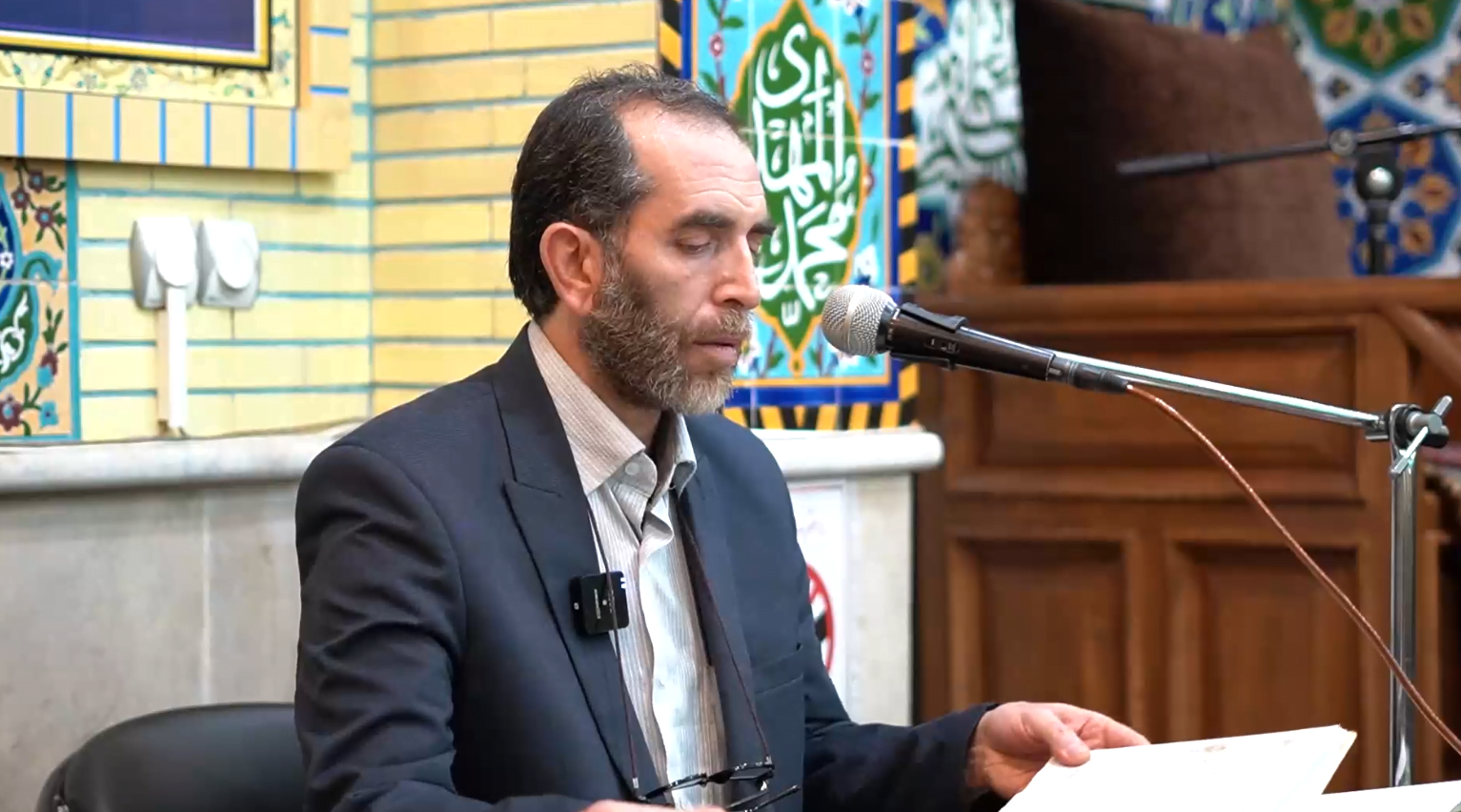
mic
جلسه صوتی
Humility: A Ladder for the Soul
Humility is the most fertile soil of servitude to God. It sends down roots into the human soul and leads to elevation…
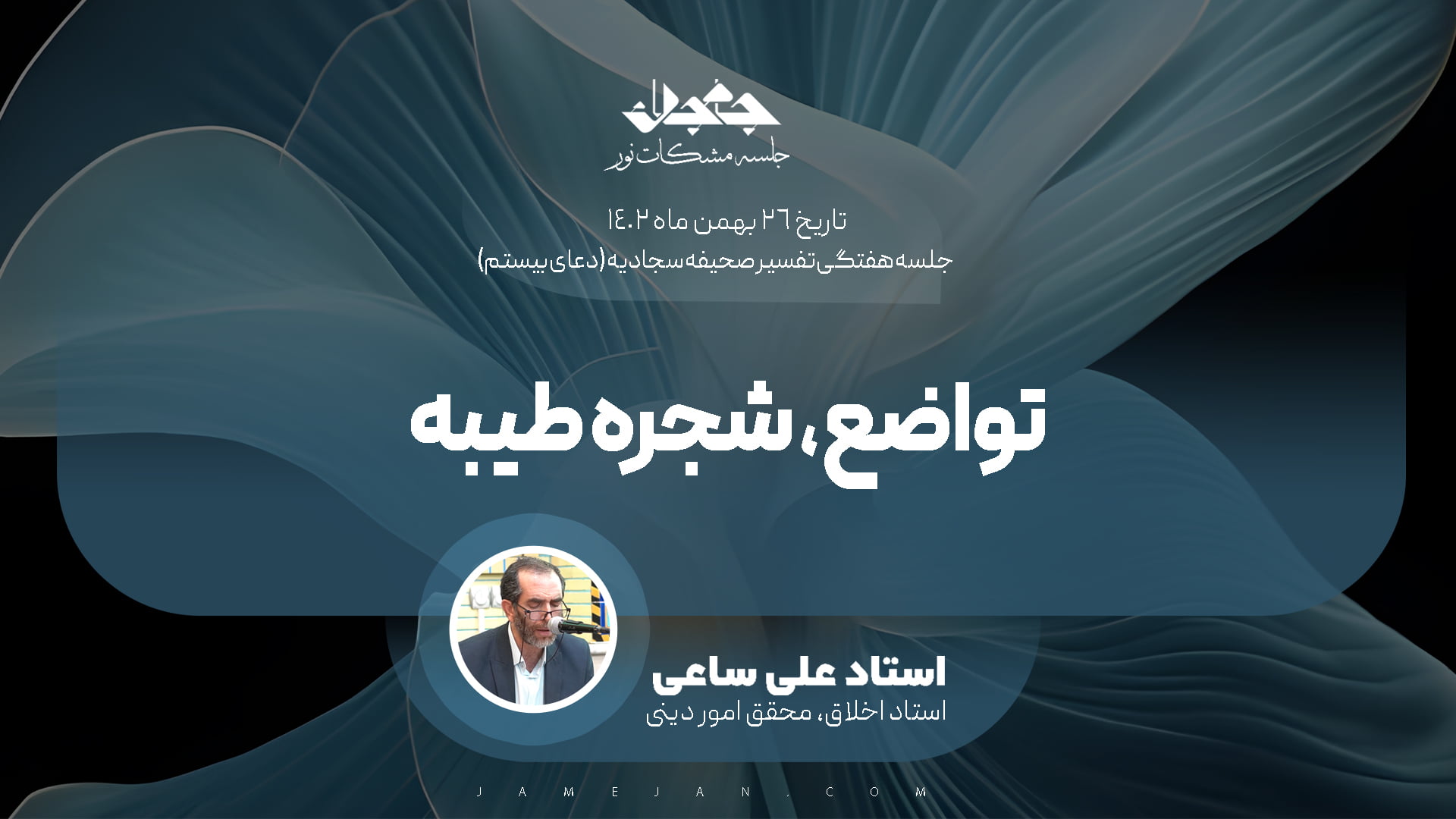
notifications_active Weekly Meshkat-e Noor Session: Thursdays at 20:30 at Haj Reza Mosque
بازخوانی خردورزانه مبانی معرفتی، حکمت، کلام و معارف شیعی با تکیه بر سنت عقلانی و پاسخگویی به پرسشها و شبهات نوپدید فکری در پرتو آثار و مباحث استاد علی ساعی (عبدالله مشکات).
شما میتوانید با پیگیری این دستهبندی، از انتشار آخرین جلسات صوتی و پاسخهای جدید در حوزه {topic} مطلع شوید.
mic
جلسه صوتی
Humility is the most fertile soil of servitude to God. It sends down roots into the human soul and leads to elevation…
videocam
Video lecture
In a session devoted to interpreting the twentieth supplication of al-Sahifa al-Sajjadiyya, Master Ali Saei spoke about humility. He described humility as…
mic
جلسه صوتی
Ethics is worship, and worship is ethics. Prayer, fasting, and remembrance must become part of one’s character for a person to attain…
videocam
Video lecture
This session of Meshkat-e Noor explores the highest virtues and what it means to become a servant of God. Virtue is itself…
mic
جلسه صوتی
True human perfection depends on cultivating both one’s physical and spiritual nature, for deficiencies in either bring loss. The absence of the…
This Meshkat-e Noor session explores the highest virtues and the perfection of human creation, emphasizing that failing to adorn oneself with noble…
mic
جلسه صوتی
Supplication 8 of al-Sahifa al-Sajjadiyya offers a remedy for the hidden ailments of the human soul and a means of self-knowledge and…
videocam
Video lecture
In his commentary on the eighth prayer of al-Ṣaḥīfa al-Sajjādiyya, Master Ali Saei explains what it means to seek refuge in God…
mic
جلسه صوتی
True dignity lies in servitude to God, while pride stands in its way. Avoiding the trial of pride and cultivating humility are…
The pinnacle and ultimate aim of servitude is not to “become like God,” for divine oneness means that God has no likeness. The qudsi hadith “عبدی أطعنی أجعلک مثلی” is weak in its chain of transmission and flawed in its wording. The culmination of servitude is to understand that God’s servant becomes a locus in which His Most Beautiful Names are manifested.
According to Imam al-Sadiq (AS), true servanthood is realized when a servant entrusts all their freedom of choice and will to the Lord of the Worlds. In this state, servanthood becomes the complete manifestation of the Lord of the Worlds’ sustaining lordship in the mirror of God’s servants, for a servant of God is a sign of the Lord of the Worlds.
In the words of Imam Ali (AS), “من عرف نفسه فقد عرف ربه” (“Whoever knows himself knows his Lord”) means reading the divine book—that is, the human being. By engaging with the Two Weighty Things (the Qur’an and the Ahl al-Bayt) in both knowledge and practice, and by awakening our innate nature, we can attain knowledge of God, which is knowledge of His acts. The Qur’an and the Ahl al-Bayt are the clearest mirrors of the truth of our own being.
videocam
Video lecture
In this session, Master Ali Saei presents Prayer 20 of al-Sahifa al-Sajjadiyya as a charter for the companions of Imam al-Mahdi (AJ).…
videocam
Video lecture
The twentieth supplication of al-Ṣaḥīfa al-Sajjādiyya was presented as a mirror that reveals the virtues and flaws within us, and as a…
To bring blessing into our time, we must recognise its true worth, obey the Creator of time wholeheartedly, elevate the soul through devotion to God, and make the best possible use of our hours. Squandering time, heedlessness, and idle amusement drain it of its blessings. But dedicating our time to God, making the most of its precious moments, remembering God often, staying connected to the guides of our age, and avoiding sin open the doors to divine blessings.
For discerning truth from falsehood, Supplications 6, 8, 17, and 20 of al-Ṣaḥīfa al-Sajjādiyya, the Ziyārat of ʿĀshūrāʾ, and the Supplication of the Drowning Person are recommended. The key to distinguishing truth from falsehood is to know the true Imam: whoever knows the true Imam can discern truth from falsehood in the light of his guidance.
The withdrawal from people mentioned in the hadith, “Well-being has ten parts, nine of which lie in withdrawing from people,” means distancing oneself from those given to folly and sin—not severing ties with relatives. The hadith points to particular conditions at the end of time, when protecting one’s faith and dignity may leave no choice but to avoid worldly people, fools, and those enslaved by desire and vice.
The purpose of dhikr is not to unite with the Essence of the One, for both the one who joins and the one who separates is God. Dhikr is the highest station of every created being, an effort to attain supreme knowledge and a sign of greatness. Ultimately, dhikr means arriving at pure remembrance—remembrance itself. At this station, dhikr itself is regarded as the greatest veil.
Heedlessness is a veil that settles over the human heart, keeping it from perceiving truths and divine light. It locks the heart and prevents it from attaining knowledge and nearness to God. In the Alawite supplication, God is asked to lift these veils and draw the human spirit near the light of the Throne.
For those just beginning the spiritual path, it is best to start by reciting the Fifteen Whispered Prayers with attentive presence and reflection. Then begin with Supplications 12, 8, and 6 from the Ṣaḥīfa Sajjādiyya. After that, read through the entire collection from beginning to end.