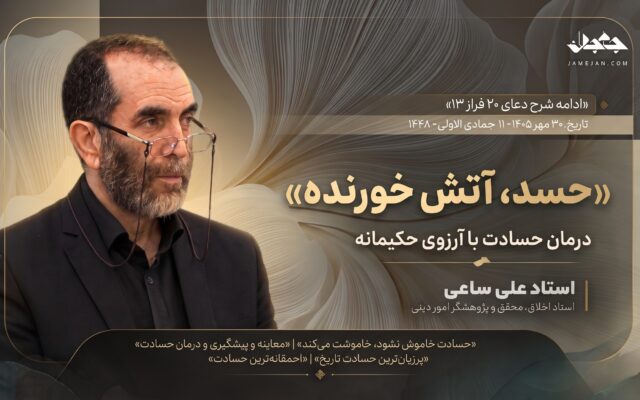
Written transcript of the lecture
The Meshkat-e Noor teachings series🌼🔆🌼Fasting of the Soul🌼🔆🌼
🌹🔅☘️ بِسْمِ اللَّهِ الرَّحْمنِ الرَّحيمِ ☘️🔅🌹
🔅🌹 “The Key to Fasting” “The Effects of Food” “The Secret of the Taste of Faith” “Supplication 44 of al-Sahifa al-Sajjadiyya” “… The Month of Ramadan” and … An abridged summary with addendum 1403.01.16 Ali Saei (Abdullah Meshkat) 110.141(903) 🌹🔅
🔅🌼 The Great Craft of the Blessed Month🌼🔅
🌹The divine banquet must be cleared away completely, down to the very end.
🌹We must rise from the head of the divine table without excess; ultimately, we must become the divine table ourselves, become a divine tree 🌹and bear merciful fruits for all the world.
🌹After the feast, we must examine ourselves: if we have not undergone an uplifting transformation, we have lost.
🌹The blessed month of Ramadan is a sublime process for sublime transformation, reshaping the human soul and establishing new structures within it.
🔅🌼 The Month of Liberation🌼🔅
🌷🔆اسْتَكْثِرُوا فِيهِ مِنَ التَّهْلِيلِ وَ التَّكْبِيرِ وَ التَّحْمِيدِ وَ التَّمْجِيدِ وَ التَّسْبِيحِ
🔆During the blessed month of Ramadan, increase your remembrance of «لا اله الا الله» and «الله اکبر» and «الحمدلله» and « اَلْمَجْدُ لله» and «سبحان الله».
🌷🔆 وَ هُوَ رَبِيعُ الْفُقَرَاءِ
🔆The blessed month of Ramadan is the springtime of the poor.
🌷🔆سُمِّيَ شَهْرُ رَمَضَانَ شَهْرَ الْعِتْقِ
🔆Ramadan has been named the month of emancipation (freedom and liberation).
🔅🌼 Fasting, a Pillar of Islam 🌼🔅
🌹Fasting is one of the principal pillars of Islam; without it, Islam’s edifice would collapse. Fasting strengthens devotion to God.
🌹Wilaya is the key to fasting. Without wilaya accompanying it, fasting remains locked away.
🌹Through wilaya, a person’s deeds gain spirit and life; intentions and actions acquire taste and sweetness, and the order of servitude is fortified.
🌹Through wilaya, the effects of worship become manifest: it splits open like a seed, bringing forth greenery, freshness, and vitality, and yielding its fruits.
🌹It is impossible to enter the sanctuary of fasting without wilaya. Wilaya is the true point of entry and the true point of departure for fasting.
🌷🔆 عَنْ أَبِي جَعْفَرٍ ع قَالَ: بُنِيَ الْإِسْلَامُ عَلَى خَمْسَةِ أَشْيَاءَ عَلَى الصَّلَاةِ وَ الزَّكَاةِ وَ الْحَجِّ وَ الصَّوْمِ وَ الْوَلَايَةِ قَالَ زُرَارَةُ فَقُلْتُ وَ أَيُّ شَيْءٍ مِنْ ذَلِكَ أَفْضَلُ فَقَالَ الْوَلَايَةُ أَفْضَلُ لِأَنَّهَا مِفْتَاحُهُنَّ وَ الْوَالِي هُوَ الدَّلِيلُ عَلَيْهِنَّ[1]
🔆Imam al-Baqir, peace be upon him: Islam is built upon five things: prayer, zakat, pilgrimage, fasting, and wilaya. Zarara asks the Imam which of these is best. He replies: “Wilaya, for it is their key, and the wali is their guide.”
🔅🌼 Wilaya opens the way and brings forth growth 🌼🔅
🌷🔆 ثُمَّ قَالَ ذِرْوَةُ الْأَمْرِ وَ سَنَامُهُ[2] وَ مِفْتَاحُهُ وَ بَابُ الْأَشْيَاءِ وَ رِضَا الرَّحْمَنِ الطَّاعَةُ لِلْإِمَامِ بَعْدَ مَعْرِفَتِهِ إِنَّ اللَّهَ عَزَّ وَ جَلَّ يَقُولُ- مَنْ يُطِعِ الرَّسُولَ فَقَدْ أَطاعَ اللَّهَ وَ مَنْ تَوَلَّى فَما أَرْسَلْناكَ عَلَيْهِمْ حَفِيظاً أَمَا لَوْ أَنَّ رَجُلًا قَامَ لَيْلَهُ وَ صَامَ نَهَارَهُ وَ تَصَدَّقَ بِجَمِيعِ مَالِهِ وَ حَجَّ جَمِيعَ دَهْرِهِ وَ لَمْ يَعْرِفْ وَلَايَةَ وَلِيِّ اللَّهِ فَيُوَالِيَهُ وَ يَكُونَ جَمِيعُ أَعْمَالِهِ بِدَلَالَتِهِ إِلَيْهِ مَا كَانَ لَهُ عَلَى اللَّهِ جَلَّ وَ عَزَّ حَقٌّ فِي ثَوَابِهِ وَ لَا كَانَ مِنْ أَهْلِ الْإِيمَانِ ثُمَّ قَالَ أُولَئِكَ الْمُحْسِنُ مِنْهُمْ يُدْخِلُهُ اللَّهُ الْجَنَّةَ بِفَضْلِ رَحْمَتِهِ.[3]
🔆 Imam al-Baqir, peace be upon him, said: “The highest station, the summit, the key and the gateway to all things, and the good pleasure of God, the All-Merciful, lie in obeying the Imam after recognising him.” Then he said: “God, the Blessed and Exalted, says: ‘Whoever obeys the Messenger has obeyed God; and whoever turns away—we have not sent you to watch over them.’”
If someone spends every night in prayer, fasts every day, gives away all their wealth in charity and performs pilgrimage throughout their life, but does not recognise the authority of God’s appointed guardian and follow him, with all their deeds guided by him, God will grant them no reward, and such a person is not among the people of faith.
🌹Wilaya is the key to prayer, almsgiving, fasting and pilgrimage. The acceptance of fasting, its highest degree, the manifestation and emergence of its effects, and the revelation of its true nature all come through joining it to wilaya. Wilaya links intentions and deeds to the blessed tree; it connects us with heaven and with the reality of light and illumination. Wilaya gives life-giving water and light to our deeds.
🌹The efficacy of deeds is bound up with wilaya and obedience to the Imams. Through wilaya, deeds grow and unfold.
🔅🌼A Shield Against the Fire🌼🔅
🌷🔆 قَالَ رَسُولُ اللَّهِ ص الصَّوْمُ جُنَّةٌ مِنَ النَّارِ[4]
🔆 Fasting is a shield against the Fire
🌹Fasting is a shield against the fire of Hell. It makes a person fireproof, turning the Fire cool and safe; fasting is our companion on the Bridge over Hell!
🌻🔆Maryam: 71 وَ إِنْ مِنْكُمْ إِلاَّ وارِدُها كانَ عَلى رَبِّكَ حَتْماً مَقْضِيًّا
🔆Every one of you will enter Hell. This is a decree that your Lord has made, irrevocable.
🔅🌼Fasting of the Soul🌼🔅
🌹Let us make our fast nourishing and alive. Let us not spend it merely on the body; it must encompass every part of our being.
🌹Let us cover our whole inner realm, in all its dimensions, with fasting.
🌷🔆 وَ قَالَ ع كَمْ مِنْ صَائِمٍ لَيْسَ لَهُ مِنْ صِيَامِهِ إِلَّا الْجُوعُ وَ الظَّمَأُ وَ كَمْ مِنْ قَائِمٍ لَيْسَ لَهُ مِنْ قِيَامِهِ إِلَّا السَّهَرُ وَ الْعَنَاءُ حَبَّذَا نَوْمُ الْأَكْيَاسِ وَ إِفْطَارُهُم[5]
🔆 Imam Ali, peace be upon him, said: “Many a person who fasts gains nothing from their fast but hunger and thirst; and many a person who stays up at night gains nothing from their worship but weariness and sleeplessness. How blessed are the sleep and the breaking of the fast of the discerning!”
🌹If the sleep and breaking of the fast of the discerning are so honourable and privileged, what must their prayer and fasting be like?
🌹Elevate desire; the spirit of desire should not be spent on the lowly apparatus of the human being. Let us free the gazelle from the jaws of the hyena and the jackal, and allow every part of our being to taste delight. If the spirit of desire expands into the higher faculties, the lower ones will not be deprived; indeed, they may well benefit all the more.
🔅🌼The fast of the soul gives life to the soul🌼🔅
🌷🔆 صَوْمُ النَّفْسِ عَنْ لَذَّاتِ الدُّنْيَا أَنْفَعُ الصِّيَامِ.[6]
🔆 Imam Ali, peace be upon him, said: “The most beneficial fast is the soul’s restraint from the pleasures of this world.”
🌹Fasting should be a complete bath and purification of body and soul—a thorough cleansing of body and spirit.
🌷🔆 صَوْمُ الْجَسَدِ الْإِمْسَاكُ عَنِ الْأَغْذِيَةِ بِإِرَادَةٍ وَ اخْتِيَارٍ خَوْفاً مِنَ الْعِقَابِ وَ رَغْبَةً فِي الْأَجْرِ وَ الثَّوَابِ. [7]
🌷🔆 صَوْمُ النَّفْسِ إِمْسَاكُ الْحَوَاسِّ الْخَمْسِ عَنْ سَائِرِ الْمَآثِمِ وَ خُلُوُّ الْقَلْبِ عَنْ أَسْبَابِ الشَّرِّ. [8]
🔆 Imam Ali, peace be upon him, said: “The fast of the body consists in deliberately refraining from food out of fear of punishment and in hope of attaining reward.”
🔆The fast of the soul consists in restraining the five senses from other sins and purging the heart of every source of evil.
🌷🔆 صَوْمُ الْقَلْبِ خَيْرٌ مِنْ صِيَامِ اللِّسَانِ وَ صَوْمُ اللِّسَانِ خَيْرٌ مِنْ صِيَامِ الْبَطْنِ. [9]
🔆 Imam Ali (peace be upon him) said: The fast of the heart is better than the fast of the tongue, and the fast of the tongue is better than the fast of the stomach.
🔅🌼 The Secret of Tasting the Flavour of Faith 🌼🔅
🌷🔆 صَابِرُوا أَنْفُسَكُمْ عَلَى فِعْلِ الطَّاعَاتِ وَ صُونُوهَا عَنْ دَنَسِ السَّيِّئَاتِ تَجِدُوا حَلَاوَةَ الْإِيمَانِ. [10]
🔆 Imam Ali (peace be upon him): In performing acts of obedience, compel yourselves to patience and keep your souls far from the filth of sins, so that you may taste the sweetness of faith.
🌹 Take charge of the excellent management of the world of your body and soul; let us guard our own being well.
🌹 The secret of the sweetness of faith is obedience free of impurity.
🔅🌼 The Fast of the Heart 🌼🔅
🌷🔆 صِيَامُ الْقَلْبِ عَنِ الْفِكْرِ فِي الْآثَامِ أَفْضَلُ مِنْ صِيَامِ الْبَطْنِ عَنِ الطَّعَامِ. [11]
🔆 Imam Ali (peace be upon him): The fast of the heart—from thinking about sins—is superior to the fast of the stomach from food.
🌹 We should not even permit ourselves to think of sin.
🌹 Thought is the beautician, the refiner, or the polluter of body and soul.
🔅🌼 Fleeing from the Food of the Stingy 🌼🔅
🌹 The fast of the heart and soul must be enduring. Food is either a source of divine strength or contaminated with satanic impurities; beware of eating with just anyone.
🌹 The spirit of the host is consumed along with the food; the food of base and mean people is poisonous and deadly to body and soul. It is more dangerous than the venom of a snake.
🌹 The food of base people is progressive, like cancer it takes over every limb, and afflicts one with all kinds of ailments. Be mindful of your body and soul.
🌹 Be mindful of the foods of your heart, lest they stain your countenance; beware of the many philosophical theories of the philosophers that have been left mired in mud.
🌻🔆 Abasa: 24 فَلْيَنْظُرِ الْإِنْسانُ إِلى طَعامِهِ
🔆 So let man look (pay attention) to his food.
🌻🔆 Al-A’raf: 58 وَ الْبَلَدُ الطَّيِّبُ يَخْرُجُ نَباتُهُ بِإِذْنِ رَبِّهِ وَ الَّذي خَبُثَ لا يَخْرُجُ إِلاَّ نَكِداً كَذلِكَ نُصَرِّفُ الْآياتِ لِقَوْمٍ يَشْكُرُونَ
🔆 Good land—its vegetation comes forth by the command of its Lord; but the bad land—nothing comes forth from it except scant, worthless vegetation; thus do We explain the signs (themselves) for a people who are grateful!
إِذَا حَلَلْتَ بِاللِّئَامِ فَاعْتَلِلْ بِالصِّيَامِ. [12] 🌷🔆
🔆 Whenever you descend upon the base and mean, you will find fault with the one who is fasting.
🌷🔆 طَعَامُ الْجَوَادِ دَوَاءٌ وَ طَعَامُ الْبَخِيلِ دَاء[13]
🔆 The food of the generous person is medicine, and the food of the stingy person is pain.
🌷🔆 قَالَ رَسُولُ اللَّهِ ص مَا مَحَقَ الْإِسْلَامَ مَحْقَ الشُّحِّ شَيْءٌ ثُمَّ قَالَ إِنَّ لِهَذَا الشُّحِّ دَبِيباً كَدَبِيبِ النَّمْلِ وَ شُعَباً كَشُعَبِ الشِّرَكِ وَ فِي نُسْخَةٍ أُخْرَى الشَّوْكِ.[14]
🔆 Imam al-Sadiq (peace be upon him), from his noble father (peace be upon them both): The Messenger of God (may God bless him and his family) said: Nothing destroys faith like stinginess of the eye. Then he said: This stinginess of the eye has a movement like the movement of an ant, and it has branches like the branches of polytheism.
🔅🌼 The Fast of the Shia Trims Away 🌼🔅
🌷🔆 عَنْ أَبِي جَعْفَرٍ ع أَنَّهُ قَالَ: يَا أَبَا الْمِقْدَامِ إِنَّمَا شِيعَةُ عَلِيٍّ ص الشَّاحِبُونَ[15] النَّاحِلُونَ الذَّابِلُونَ ذَابِلَةٌ شِفَاهُهُمْ مِنَ الْقِيَامِ خَمِيصَةٌ بُطُونُهُمْ مُصْفَرَّةٌ أَلْوَانُهُمْ مُتَغَيِّرَةٌ وُجُوهُهُمْ إِذَا جَنَّهُمُ اللَّيْلُ اتَّخَذُوا الْأَرْضَ فِرَاشاً وَ اسْتَقْبَلُوهَا بِجِبَاهِهِمْ بَاكِيَةٌ عُيُونُهُمْ كَثِيرَةٌ دُمُوعُهُمْ صَلَاتُهُمْ كَثِيرَةٌ وَ دُعَاؤُهُمْ كَثِيرٌ تِلَاوَتُهُمْ كِتَابَ اللَّهِ يَفْرَحُونَ [يَفْرَحُ] النَّاسُ وَ هُمْ يَحْزَنُونَ. [16]
🔆 The Shi’a of Ali have dust-covered faces, lean bodies, dry lips, bellies clinging to their backs, pale complexions and yellowed faces; at night they take the earth as their bed and place their foreheads upon the soil, they prostrate much, they constantly shed tears, they are always engaged in supplication, they weep continually — while others rejoice, they are sorrowful.
🌷🔆 عَنِ السِّنْدِيِّ بْنِ مُحَمَّدٍ قَالَ: قَوْمٌ تَبِعَ [تَبِعُوا] أَمِيرَ الْمُؤْمِنِينَ ع فَالْتَفَتَ إِلَيْهِمْ قَالَ مَا أَنْتُمْ عَلَيْهِ قَالُوا شِيعَتُكَ يَا أَمِيرَ الْمُؤْمِنِينَ قَالَ مَا لِي لَا أَرَى عَلَيْكُمْ سِيمَاءَ الشِّيعَةِ قَالُوا وَ مَا سِيمَاءُ الشِّيعَةِ قَالَ صُفْرُ الْوُجُوهِ مِنَ السَّهَرِ خُمْصُ الْبُطُونِ مِنَ الصِّيَامِ ذُبُلُ الشِّفَاهِ مِنَ الدُّعَاءِ عَلَيْهِمْ غَبَرَةُ الْخَاشِعِينَ.[17]
🔆 Imam Sadiq (AS) said: A group set out following Amir al-Mu’minin (AS). He turned toward them and said: “Who are you?” They said: “We are your Shi’a, O Amir al-Mu’minin.” He said: “Why do I not see the mark of the Shi’a on your faces?” They said: “What is the mark of the Shi’a on the face?” He said: “The yellowing of the face from lack of sleep, the sunken belly from fasting, the drying of the lips from abundant supplication, and the dust of humility settling upon them.”
🌷🔆 قَالَ الصَّادِقُ ع قَالَ النَّبِيُّ ص الصَّوْمُ جُنَّةٌ مِنْ آفَاتِ الدُّنْيَا وَ حِجَابٌ مِنْ عَذَابِ الْآخِرَةِ فَإِذَا صُمْتَ فَانْوِ بِصَوْمِكَ كَفَّ النَّفْسِ عَنِ الشَّهَوَاتِ وَ قَطْعَ الْهِمَّةِ عَنْ خُطُوَاتِ الشَّيْطَانِ وَ الشَّيَاطِينِ وَ أَنْزِلْ نَفْسَكَ مَنْزِلَةَ الْمَرْضَى لَا تَشْتَهِي طَعَاماً وَ لَا شَرَاباً وَ تَوَقَّعْ فِي كُلِّ لَحْظَةٍ شِفَاكَ مِنْ مَرَضِ الذُّنُوبِ وَ طَهِّرْ بَاطِنَكَ مِنْ كُلِّ كَذِبٍ وَ كَدِرٍ وَ غَفْلَةٍ وَ ظُلْمَةٍ يَقْطَعُكَ عَنْ مَعْنَى الْإِخْلَاصِ لِوَجْهِ اللَّهِ تَعَالَى قِيلَ لِبَعْضِهِمْ إِنَّكَ ضَعِيفٌ وَ إِنَّ الصِّيَامَ يُضْعِفُكَ قَالَ إِنِّي أُعِدُّهُ بِشَرِّ يَوْمٍ طَوِيلٍ وَ الصَّبْرُ عَلَى طَاعَةِ اللَّهِ أَهْوَنُ مِنَ الصَّبْرِ عَلَى عَذَابِهِ [18]
🌷🔆 Imam Sadiq (AS) relates from the Noble Messenger (PBUH) that he said: Fasting is a shield against the afflictions and trials of this world, and a veil and barrier against the punishment of the Hereafter. And when you fast, let your intention and purpose in fasting be the guarding of the self from its carnal desires, and the cutting off of the footsteps of Satan. And regard yourself as one who is ill and has no appetite for water and food, and abstain completely from desires so that you may be healed. And at every moment and every hour, await and expect recovery from the illnesses of sin. And purify your heart of every turbidity, heedlessness and darkness that prevents it from the reality of sincerity and the intention of nearness to God.
One of the people of piety was told: “You are weak, and fasting will make you weaker and leaner!” He replied: “I am storing it up for the hardship and severity of a day that is very long, and my patience and endurance in obedience to the Lord Most High is easier than patience and endurance of the punishment and severity of the Day of the Hereafter.”
🌼Ali Sa’i (Abdullah Mishkat) 110.141(903)🌼
[1] Al-Kafi (Islamic edition); vol. 2; p. 18 Kulayni, Muhammad ibn Ya’qub ibn Ishaq, Dar al-Kutub al-Islamiyya – Tehran, 4th edition, 1407 AH.
[2] Dhurwa: the top (height, station) of anything; sanam: the hump of a camel, the greatest pillar of a thing, noble, rein.
[3] Al-Kafi (Islamic edition); vol. 2; p. 18 Kulayni, Muhammad ibn Ya’qub ibn Ishaq, Dar al-Kutub al-Islamiyya – Tehran, 4th edition, 1407 AH.
[4] Al-Kāfī (Islamic edition), vol. 2, p. 18 al-Kulaynī, Muḥammad ibn Yaʿqūb ibn Isḥāq, Islamic Publications Office, Tehran, 4th ed., 1407 AH.
[5] Nahj al-Balāgha (Ṣubḥī Ṣāliḥ ed.), p. 495 al-Sharīf al-Raḍī, Muḥammad ibn al-Ḥusayn, Hijrat, Qom, 1st ed., 1414 AH.
[6] ʿUyūn al-ḥikam wa’l-mawāʿiẓ (al-Laythī ed.), p. 302 al-Laythī al-Wāsiṭī, ʿAlī ibn Muḥammad, Dār al-Ḥadīth, Qom, 1st ed., 1376 SH.
[7] ʿUyūn al-ḥikam wa’l-mawāʿiẓ (al-Laythī ed.), p. 305 al-Laythī al-Wāsiṭī, ʿAlī ibn Muḥammad, Dār al-Ḥadīth, Qom, 1st ed., 1376 SH.
[8] ʿUyūn al-ḥikam wa’l-mawāʿiẓ (al-Laythī ed.), p. 305 al-Laythī al-Wāsiṭī, ʿAlī ibn Muḥammad, Dār al-Ḥadīth, Qom, 1st ed., 1376 SH.
[9] ʿUyūn al-ḥikam wa’l-mawāʿiẓ (al-Laythī ed.), p. 305 al-Laythī al-Wāsiṭī, ʿAlī ibn Muḥammad, Dār al-Ḥadīth, Qom, 1st ed., 1376 SH.
[10] ʿUyūn al-ḥikam wa’l-mawāʿiẓ (al-Laythī ed.), p. 305 al-Laythī al-Wāsiṭī, ʿAlī ibn Muḥammad, Dār al-Ḥadīth, Qom, 1st ed., 1376 SH.
[11] ʿUyūn al-ḥikam wa’l-mawāʿiẓ (al-Laythī ed.), p. 302 al-Laythī al-Wāsiṭī, ʿAlī ibn Muḥammad, Dār al-Ḥadīth, Qom, 1st ed., 1376 SH.
[12] ʿUyūn al-ḥikam wa’l-mawāʿiẓ (al-Laythī ed.), p. 134 al-Laythī al-Wāsiṭī, ʿAlī ibn Muḥammad, Dār al-Ḥadīth, Qom, 1st ed., 1376 SH.
[13] The Prophet’s Medicine al-Mustaghfirī, Jaʿfar ibn Muḥammad, al-Ḥaydarīyya Library, Najaf, 1st ed., 1385 AH.
[14] Al-Kāfī (Islamic edition), vol. 4, p. 45 al-Kulaynī, Muḥammad ibn Yaʿqūb ibn Isḥāq, Islamic Publications Office, Tehran, 4th ed., 1407 AH.
[15]al-shāḥib: thin and pale; “shāḥib al-lawn”: one who is pale; “shāḥib al-jism”: one whose build is weak and thin. al-nāḥil, pl. nuḥūl: thin and lean. al-nāḥila, pl. nawāḥil: feminine of “al-nāḥil”; “al-nawāḥil”: swords whose edges have grown thin through extensive use. الذَّابِل- ج ذُبَّل و ذُبُل: thin, slender, weak, languid. al-dhābila, pl. dhawābil: feminine (الذَّابِل) است؛ «عَينٌ ذَابلةٌ»: an eye with a drooping eyelid. ذَبَلَ- ذُبُولًا و ذَبْلًا النباتُ: a plant lost its water and freshness; the horse became thin and narrow-waisted; his tongue or lip became dry.
[16] Ṣifāt al-Shīʿa, p. 10 Ibn Bābawayh, Muḥammad ibn ʿAlī, Aʿlamī, Tehran, 1st ed., 1362 SH.
[17] Ṣifāt al-Shīʿa, p. 10 Ibn Bābawayh, Muḥammad ibn ʿAlī, Aʿlamī, Tehran, 1st ed., 1362 SH.
[18] Miṣbāḥ al-sharīʿa, p. 135 Attributed to Jaʿfar ibn Muḥammad, peace be upon him; Aʿlamī, Beirut, 1st ed., 1400 AH.